
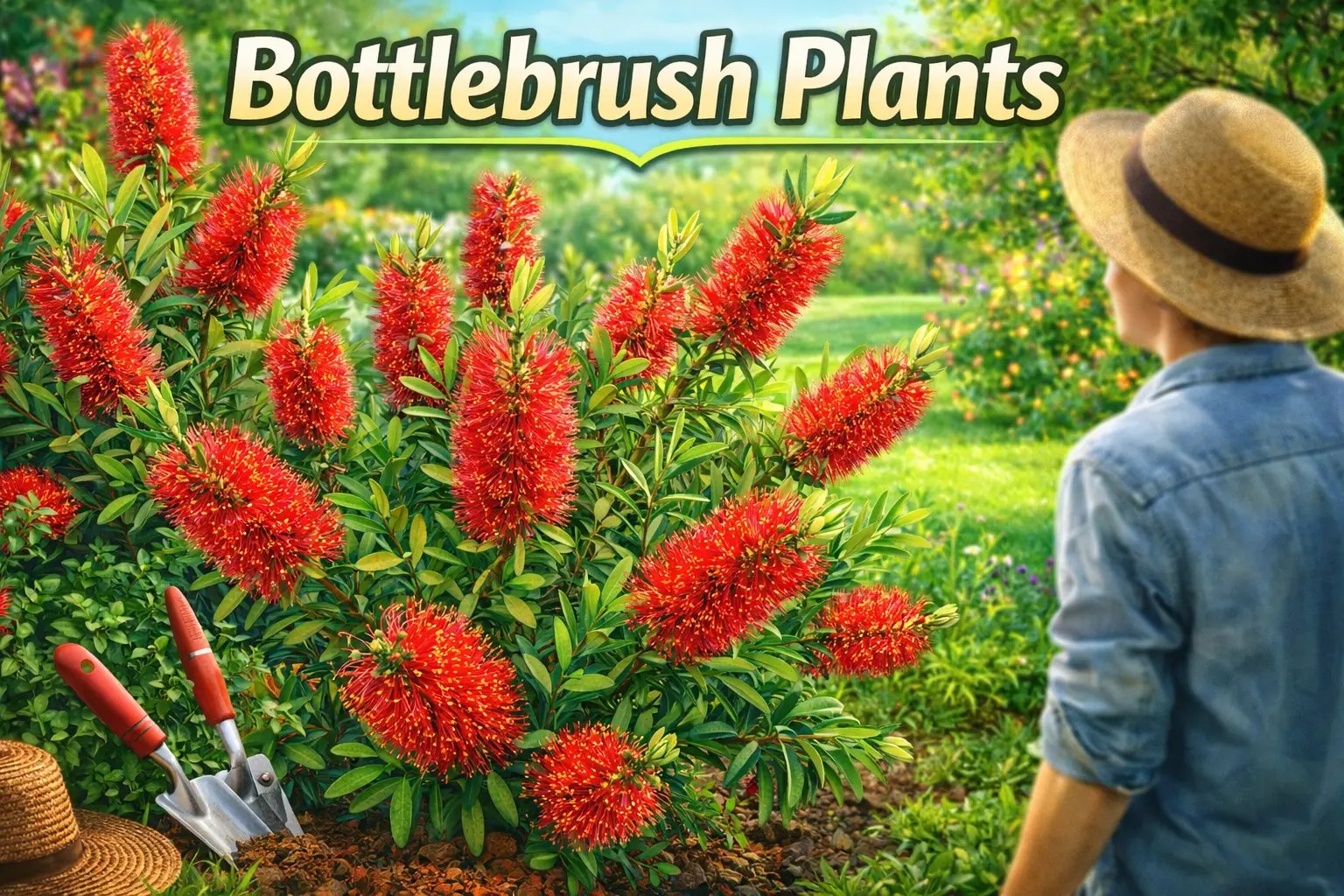
Bottlebrush Plants: A Guide to Getting Blooms
Bottlebrush plants are beautiful Australian shrubs that produce vibrant red flowers that resemble the brushes used to clean bottles. If your bottlebrush plant isn’t blooming, there are several reasons why and steps you can take to encourage flowering.
Bottlebrush Plant Problems
When a bottlebrush plant fails to bloom, it can be frustrating. Here are some common problems that can lead to this issue:
- Lack of Sunlight: Bottlebrush plants need plenty of sunlight to thrive and produce flowers. Make sure your plant is planted in a location that receives at least six hours of direct sunlight per day.
- Excess Nitrogen Fertilizer: Nitrogen fertilizer can promote foliage growth at the expense of flowers. Use a balanced fertilizer and follow the instructions carefully to avoid over-fertilizing.
- Improper Pruning: Pruning at the wrong time can remove flower buds and prevent blooming. Prune your bottlebrush plant just after it has finished flowering to avoid cutting off potential blooms.
Getting Bottlebrush to Flower
To encourage your bottlebrush plant to flower, follow these tips:
- Provide Ample Sunlight: Plant your bottlebrush in a sunny location or move it to one if possible. Remove any nearby plants or shrubs that may be blocking sunlight.
- Fertilize Properly: Use a balanced fertilizer with a low nitrogen content. Follow the label instructions to avoid over-fertilizing.
- Prune Wisely: Prune your bottlebrush plant after it has finished flowering to remove spent blooms and encourage new growth. Avoid pruning during the spring and summer when the plant is actively blooming.
Troubleshooting Bottlebrush Not Flowering
If your bottlebrush plant still isn’t flowering after following the above tips, there may be other factors at play. Here are some additional troubleshooting steps:
- Check for Pests and Diseases: Inspect your plant for any signs of pests or diseases that could be affecting its health and ability to bloom. Treat any infestations or infections promptly.
- Consider Soil Conditions: Bottlebrush plants prefer well-drained, slightly acidic soil. If your soil is too heavy or alkaline, it may be hindering flowering. Amend the soil with compost or sulfur to improve drainage and acidity.
- Provide Water: Bottlebrush plants need regular watering, but avoid overwatering. Allow the soil to dry out slightly between waterings.
Tips for Maximizing Flower Production
Once your bottlebrush plant starts blooming, there are a few things you can do to maximize flower production:
- Deadhead Spent Blooms: Remove faded flowers to encourage the plant to produce more blooms.
- Fertilize Regularly: Continue to fertilize your bottlebrush plant every few months during the growing season.
- Provide Mulch: Spread a layer of mulch around your bottlebrush plant to retain moisture, regulate soil temperature, and suppress weeds.
By following these tips, you can troubleshoot any issues preventing your bottlebrush plant from flowering and encourage it to produce an abundance of vibrant blooms.
