
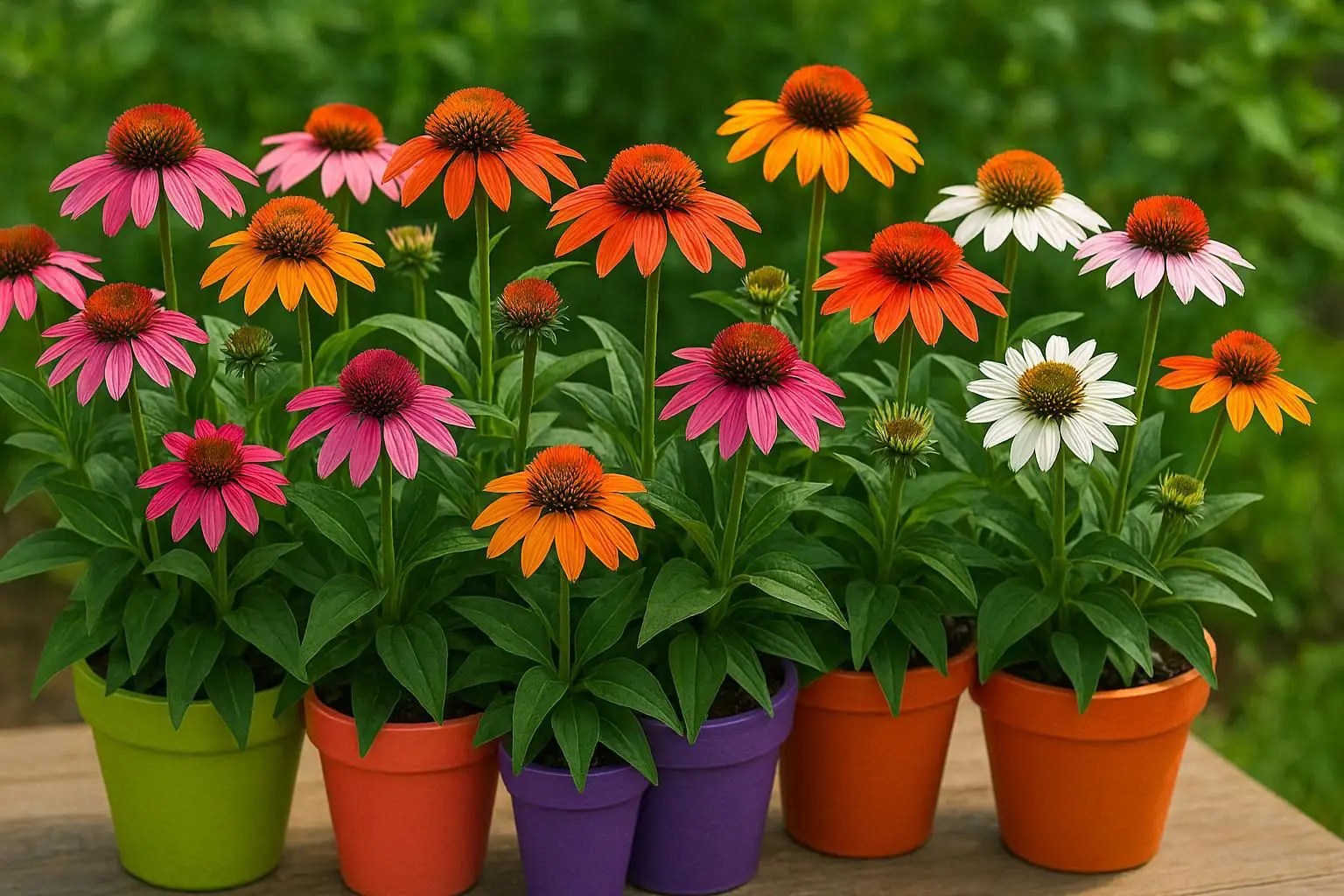
Coneflowers: A Guide to Growing Them in Containers
Introduction
Coneflowers, also known as Echinacea, are popular perennials that produce beautiful, daisy-like flowers in shades of red, pink, and white. They are hardy plants that are attractive to pollinators, making them a great choice for any garden. But what if you don’t have a garden bed? Can you still grow coneflowers? The answer is yes! Coneflowers can be grown successfully in containers, as long as you provide them with the right care.
Choosing the Right Container
The first step to growing coneflowers in containers is to choose the right container. Coneflowers have deep roots, so they need a container that is at least 12 inches deep and 18 inches wide. The container should also have drainage holes to prevent the roots from rotting.
Planting Coneflowers in Containers
You can start coneflowers from seed or from seedlings. If you are starting from seed, sow the seeds in the container in autumn and leave it outside. This will naturally provide the stratification the seeds need to germinate. If you are planting a seedling, make sure to transplant it with the soil at the same level – you don’t want to cover up the crown.
Caring for Container-Grown Coneflowers
Coneflowers are relatively low-maintenance plants, but they do require some basic care to thrive.
- Watering: Coneflowers are drought tolerant, but they still need to be watered regularly, especially during hot, dry weather. Water the plants deeply, but allow the soil to dry out slightly between watering.
- Fertilizing: Fertilize container-grown coneflowers with a balanced fertilizer every few weeks during the growing season.
- Sunlight: Coneflowers need full sun to produce the most flowers. Place the container in an area that receives at least 6 hours of sunlight per day.
- Winterizing: Coneflowers are hardy in USDA zones 3 through 9. However, container-grown coneflowers may need some extra protection from the cold. You can bury the container in a hole in the ground or build up mulch around it for added winter protection.
Troubleshooting
If your container-grown coneflowers are not thriving, there are a few things you can check:
- Overwatering: Coneflowers do not like to sit in wet soil. If the soil is soggy, the roots can rot. Allow the soil to dry out slightly between watering.
- Underwatering: Coneflowers are drought tolerant, but they still need to be watered regularly. If the soil is too dry, the plants will wilt and the flowers will not bloom.
- Lack of sunlight: Coneflowers need full sun to produce the most flowers. If the container is not receiving enough sunlight, the plants will be leggy and the flowers will be small and pale.
- Nutrient deficiency: Coneflowers need to be fertilized regularly to produce healthy flowers. If the plants are not getting enough nutrients, the leaves will turn yellow and the flowers will be small and pale.
Conclusion
Growing coneflowers in containers is a great way to enjoy these beautiful flowers even if you don’t have a garden bed. By following these tips, you can keep your container-grown coneflowers healthy and blooming all season long.
