
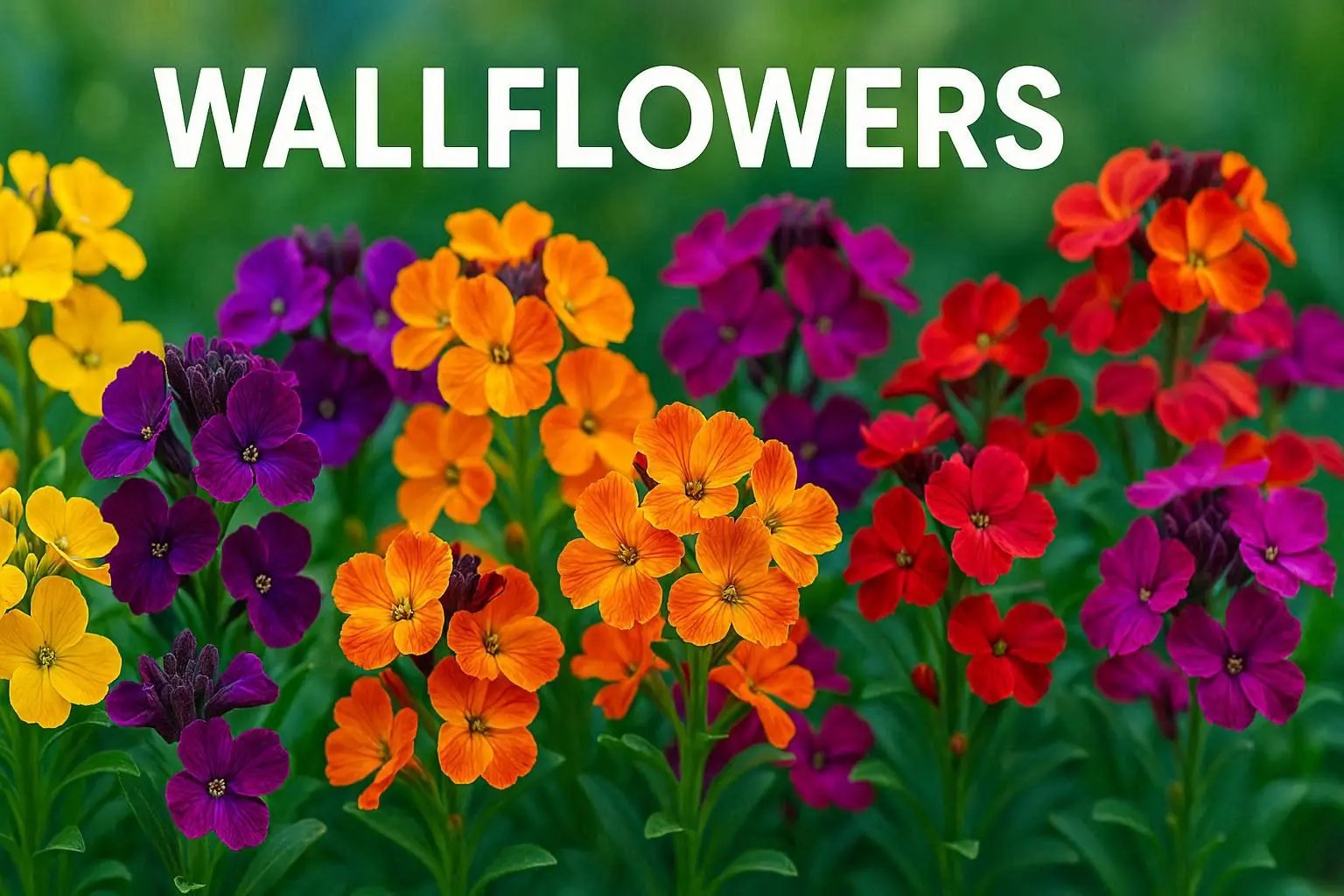
Wallflowers: A Guide for Gardeners
Introduction
Wallflowers are beautiful and fragrant plants that add a touch of color and sweetness to any garden. They are relatively easy to grow and can thrive in a variety of conditions. In this guide, we will cover everything you need to know about wallflowers, from planting to care.
Types of Wallflowers
Most wallflowers belong to the genus Erysimum, but some are from the genus Cheiranthus. Wallflowers come in a wide range of colors, including yellow, orange, pink, purple, blue, chocolate, and crimson. Some varieties even have silvery foliage.
Planting Wallflowers
Wallflowers can be planted from seed or by cuttings. If you are planting from seed, you can sow the seeds directly in the garden in spring or autumn. Cover the seeds lightly with soil or press them into moist soil. Wallflowers need light to germinate, so do not cover them too deeply.
You can also start wallflowers indoors by sowing the seeds in a seed tray filled with moist potting mix. Place the seed tray in a warm, sunny location and keep the soil moist. Once the seedlings have developed their first set of true leaves, you can transplant them into the garden.
When planting wallflowers, choose a location that receives full sun or partial shade. Wallflowers prefer well-draining soil.
Caring for Wallflowers
Water wallflowers regularly, especially during hot and dry weather. Pinch back spent blooms to encourage more flowers. Wallflowers are relatively low-maintenance plants, but they will benefit from occasional fertilization.
Wallflowers in the Landscape
Wallflowers can be used in a variety of landscape designs. They can be planted in borders, beds, or containers. Wallflowers also make excellent companion plants for other flowers, such as roses, daisies, and lavender.
Troubleshooting
Wallflowers are generally disease-resistant plants, but they can be susceptible to aphids, whiteflies, and spider mites. If you notice any pests on your wallflowers, treat them with an insecticidal soap or neem oil.
Conclusion
Wallflowers are beautiful and easy-to-grow plants that can add a touch of color and fragrance to any garden. With proper care, wallflowers will thrive for many years to come.
