Citrus Sunscald: Prevention and Protection for Your Trees
Introduction
Just like people can get sunburned, trees can too! But unlike us, trees can take a long time to recover from sunburn, and sometimes they never fully do. Citrus trees, in particular, are very sensitive to sunscald, especially in hot and sunny climates. In this article, we’ll dive into the causes of citrus sunscald and explore effective strategies to prevent it and protect your precious trees.
What Causes Citrus Sunscald?
Citrus sunscald occurs when the soft, exposed parts of the tree, such as the bark, fruit, and leaves, are subjected to too much intense sunlight. While all parts of the tree can be affected, sunscald is most serious when it damages the bark. Unlike fruit and leaves, bark cannot be replaced and may never completely heal.
Sunscald typically appears as irregularly shaped, brown, raised lesions on the bark in areas that receive direct sunlight. These lesions not only look unsightly but also create an entry point for diseases and pathogens to enter the tree. A citrus tree with sunscald may experience rotting fruit, slowed growth, and various opportunistic diseases.
How to Prevent Sunscald on Citrus Trees
Unfortunately, there is no effective treatment for citrus sunscald once it occurs. Prevention is the key to protecting your trees. Here are some proven strategies:
-
Choose the Right Location: If you live in a hot climate with long, sunny days, plant your citrus trees in a spot that receives some afternoon shade.
-
Promote Healthy Trees: Healthy trees are better equipped to withstand sunscald damage. Provide your trees with the proper amount of water, fertilizer, and care to keep them in optimal health.
-
Encourage Air Circulation: Good air circulation around your trees helps prevent sunscald by reducing heat buildup. Avoid planting trees too close together and prune branches to allow for airflow.
-
Protect the Bark: In extreme cases, you may consider applying whitewash (a mixture of white latex paint and water) to the trunks of your trees. This acts as a sunscreen, reflecting sunlight and preventing bark damage. However, whitewashing can be unsightly and is not widely practiced anymore.
Additional Tips
-
Avoid Over-Pruning: While pruning is necessary for tree health, excessive pruning can remove too much of the leaf canopy, exposing the bark and fruit to direct sunlight.
-
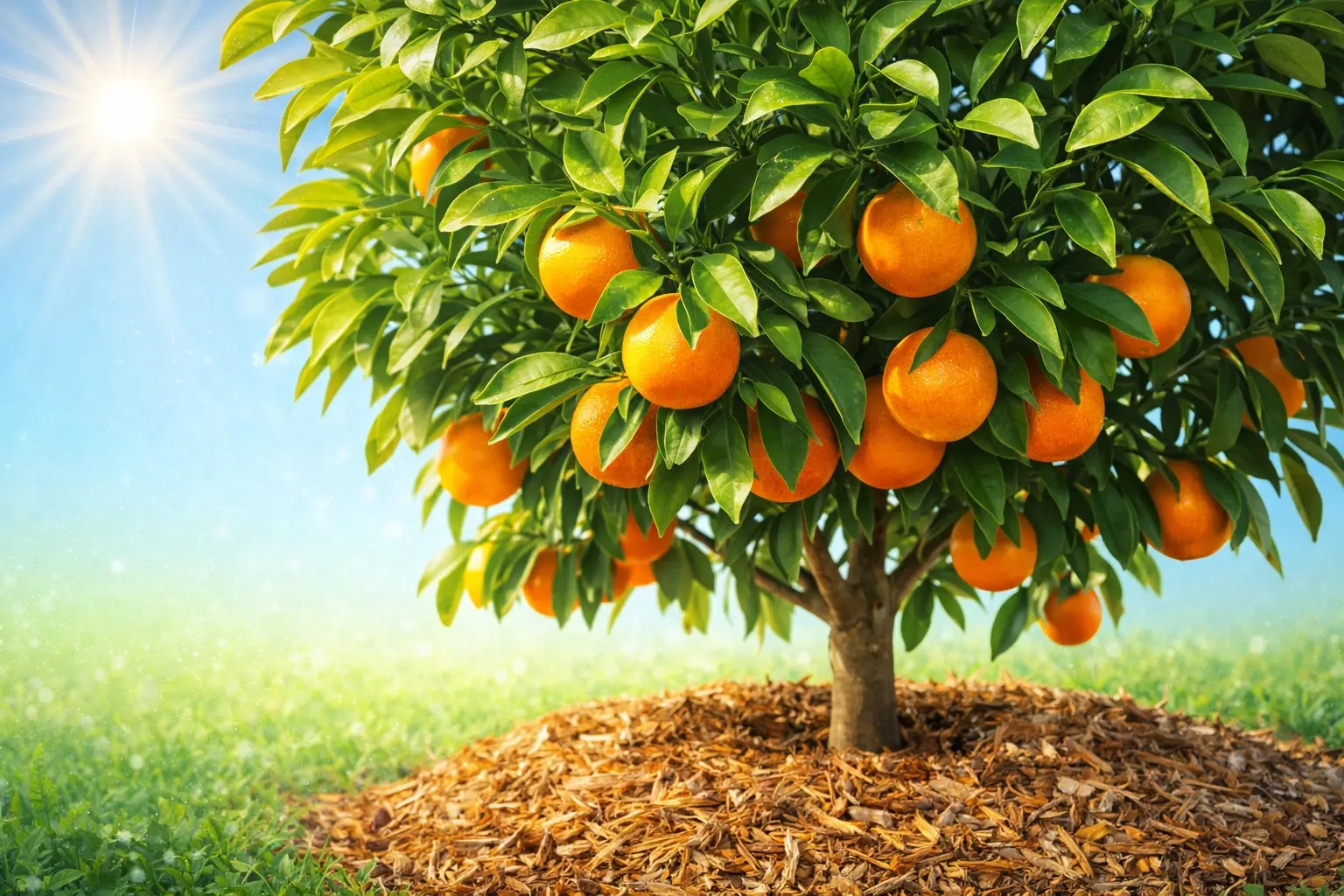
Use Organic Mulch: Mulch around your trees helps retain moisture, regulate soil temperature, and suppress weeds. It can also provide some shade for the base of the tree.
-
Be Aware of Sunburn Symptoms: Keep an eye on your trees for signs of sunscald, such as brown lesions on the bark, wilting leaves, or stunted growth. If you notice any symptoms, take immediate steps to protect the tree.
Conclusion
Protecting your citrus trees from sunscald is essential for their long-term health and productivity. By following the prevention strategies outlined in this article, you can help your trees thrive even in hot and sunny climates. Remember, prevention is key, so be proactive and take the necessary steps to safeguard your precious citrus trees.
