
Growing Olive Trees: A Guide for Beginners
Introduction: The Allure of Olive Trees
Olive trees are beautiful and versatile plants that can add a touch of elegance and functionality to any garden. They are relatively easy to grow, even for beginners, and they can produce delicious olives that can be used to make olive oil, tapenade, and other culinary delights.
Choosing the Right Olive Tree
There are many different varieties of olive trees, each with its own unique characteristics. When choosing an olive tree for your garden, it is important to consider the climate in your area, the size of your garden, and your personal preferences.
If you live in a cold climate, you will need to choose a cold-hardy variety of olive tree, such as the Arbequina olive tree. Arbequina olive trees are one of the most popular varieties of olive trees for home gardeners because they are relatively easy to grow and they produce a good crop of olives.
If you have a small garden, you may want to choose a dwarf olive tree, such as the Little Ollie olive tree. Little Ollie olive trees are compact and easy to care for, making them ideal for small spaces.
Growing Olive Trees in Containers
Olive trees can be grown in containers, which makes them a great option for gardeners with limited space. When growing olive trees in containers, it is important to choose a pot that is large enough to accommodate the tree’s root system. The pot should also have drainage holes to prevent the roots from rotting.
Olive trees need at least six hours of sunlight per day, so be sure to place your tree in a sunny location. Water your olive tree deeply and regularly, but allow the soil to dry out slightly between waterings.
Pruning and Care
Olive trees require minimal pruning. However, it is important to prune your tree regularly to remove dead or diseased branches and to open up the canopy. Pruning will also help to keep your tree a manageable size.
Olive trees are relatively low-maintenance plants, but they do require some basic care. Fertilize your olive tree every few months with a balanced fertilizer. Water your tree deeply and regularly, especially during the hot summer months.
Harvesting Olives
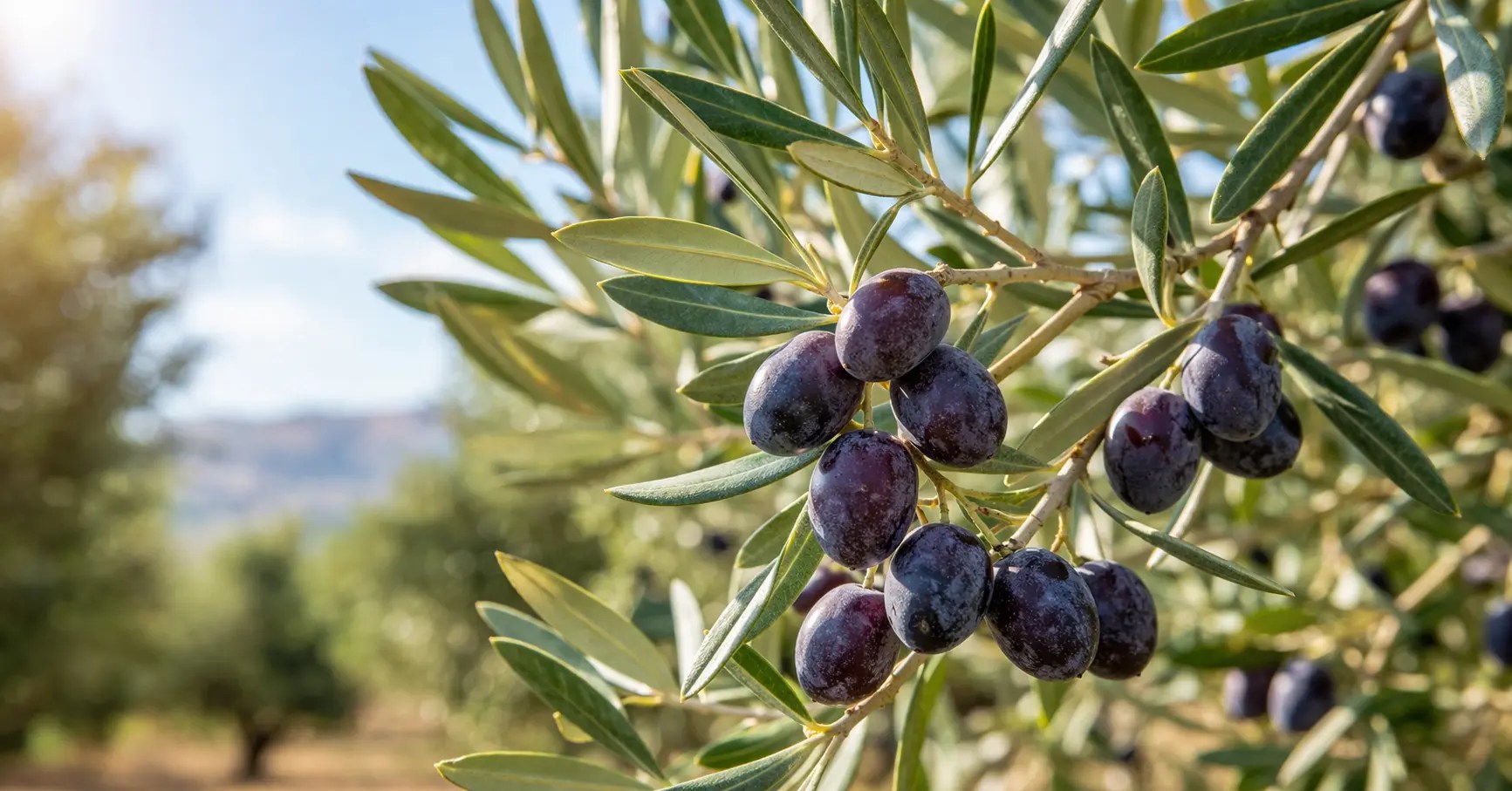
Olives are typically harvested in the fall, when they are ripe. Ripe olives will be a deep purple or black color. To harvest olives, simply pick them off the tree by hand.
Once you have harvested your olives, you can use them to make olive oil, tapenade, or other culinary delights.
Conclusion
Growing olive trees is a rewarding experience. With a little care and attention, you can enjoy fresh, homegrown olives for years to come.
