
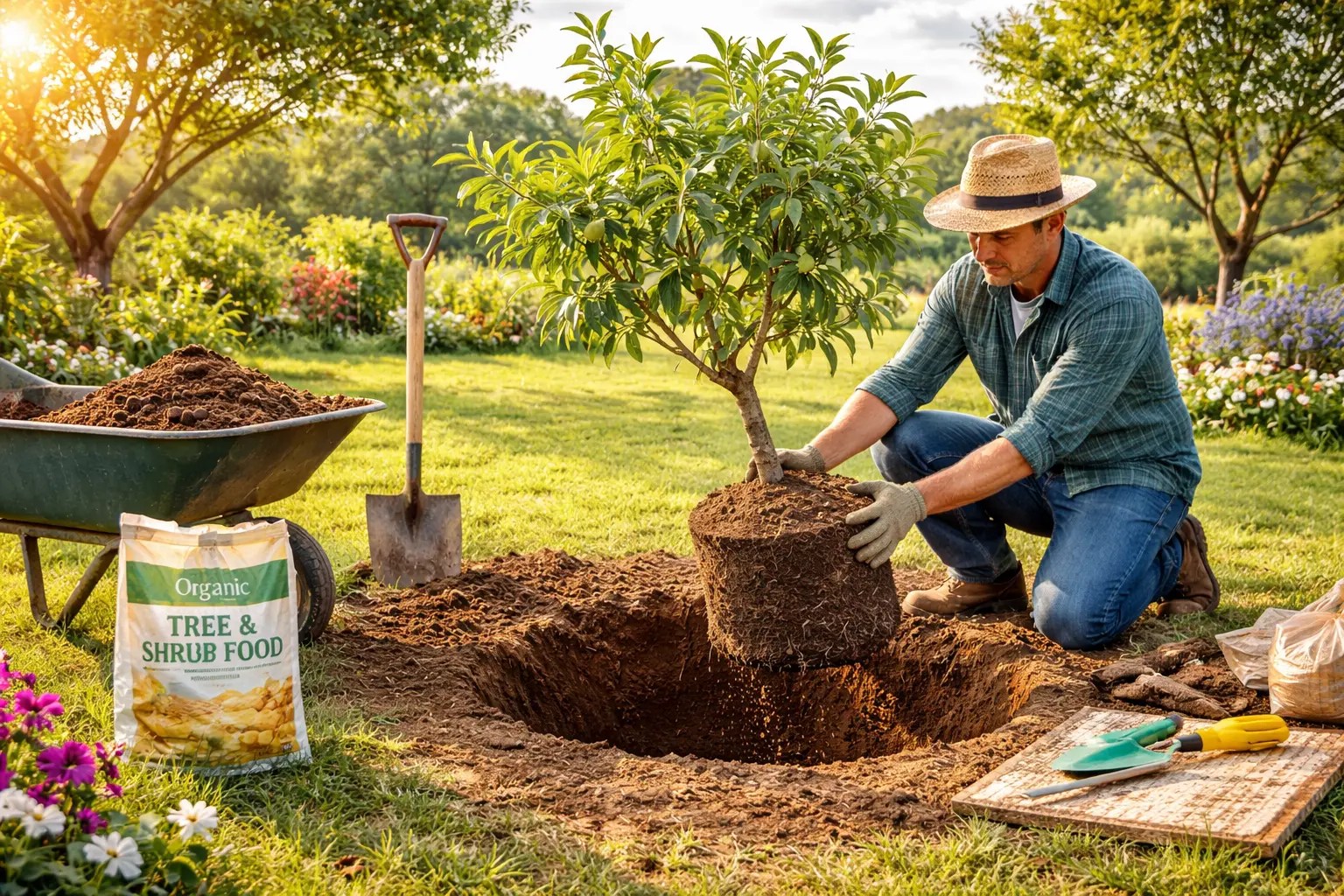
Transplanting Almond Trees: A Comprehensive Guide
Introduction
Almond trees are beautiful and productive trees that can add value to your landscape and your diet. However, there may come a time when you need to transplant an almond tree to a new location. While transplanting mature trees is not always recommended, it is possible with proper care and planning. This guide will provide you with everything you need to know about transplanting almond trees, from preparing the tree to planting it in its new home.
Can Almond Trees Be Transplanted?
Yes, almond trees can be transplanted, but it is important to note that the success rate is lower for mature trees. This is because almond trees have a deep root system, and transplanting can damage or sever these roots. However, if you follow the steps outlined in this guide, you can increase your chances of success.
When to Transplant Almond Trees
The best time to transplant almond trees is in the early spring, when the tree is still dormant. This will give the tree time to establish new roots before the hot summer months. Avoid transplanting almond trees in the fall or winter, as this can stress the tree and make it more susceptible to pests and diseases.
Preparing the Tree for Transplanting
Before you transplant an almond tree, you need to prepare it for the move. This involves pruning the tree, digging a root ball, and watering the tree deeply.
- Pruning: Pruning the tree will help to reduce the stress of transplanting and encourage new growth. Prune all of the main branches back by about 20% of their length.
- Digging a root ball: Dig a circle around the tree, about 2 feet away from the trunk. Cut any large roots that you encounter with a sharp spade or shovel.
- Watering: Water the tree deeply for a day or so prior to transplanting. This will help to make the root ball easier to dig up.
Transplanting the Almond Tree
Once the tree is prepared, you can transplant it to its new location.
- Digging the planting hole: Dig a planting hole that is at least twice as wide as the root ball and at least as deep. Choose a site with full sun and well-draining soil.
- Planting the tree: Set the root ball in the planting hole at the same level it was in its prior location. Backfill the planting hole with soil, firming it around the root ball to prevent air pockets.
- Watering: Water the tree deeply after planting.
- Mulching: Lay a 3-inch layer of mulch around the tree, leaving a few inches between the trunk and the placement of the mulch. This will help to conserve water, retard weeds, and regulate soil temperatures.
Caring for the Transplanted Tree
After transplanting, it is important to care for the tree properly to help it establish itself in its new location.
- Watering: Continue to water the tree consistently, especially during the first year after transplanting.
- Fertilizing: Fertilize the tree lightly in the spring and fall.
- Pruning: Prune the tree as needed to remove any dead or diseased branches.
- Staking: Transplanted trees may be unstable, so it is a good idea to stake or support them for the first year or two.
Troubleshooting
If you are having problems with your transplanted almond tree, there are a few things you can check.
- Water stress: Make sure that the tree is getting enough water.
- Nutrient deficiency: Fertilize the tree if it is showing signs of nutrient deficiency, such as yellowing leaves.
- Pests and diseases: Inspect the tree regularly for pests and diseases. Treat any problems promptly.
- Root damage: If the tree is not growing well, it may have damaged roots. Carefully excavate the root ball to inspect the roots and repair any damage.
Conclusion
Transplanting almond trees can be a challenging but rewarding experience. By following the steps outlined in this guide, you can increase your chances of success. With proper care and attention, your transplanted almond tree will thrive in its new home for many years to come.
