
Cauliflower Ricing: Causes, Prevention, and Solutions
Introduction
Cauliflower, a member of the Cole family, is a popular vegetable that is often praised for its nutritional value. However, cauliflower can sometimes develop a fuzzy growth on its head, known as ricing. This can be a frustrating problem for gardeners, as it can affect the appearance and quality of the cauliflower.
What Causes Cauliflower Ricing?
Cauliflower ricing is caused by a number of factors, including:
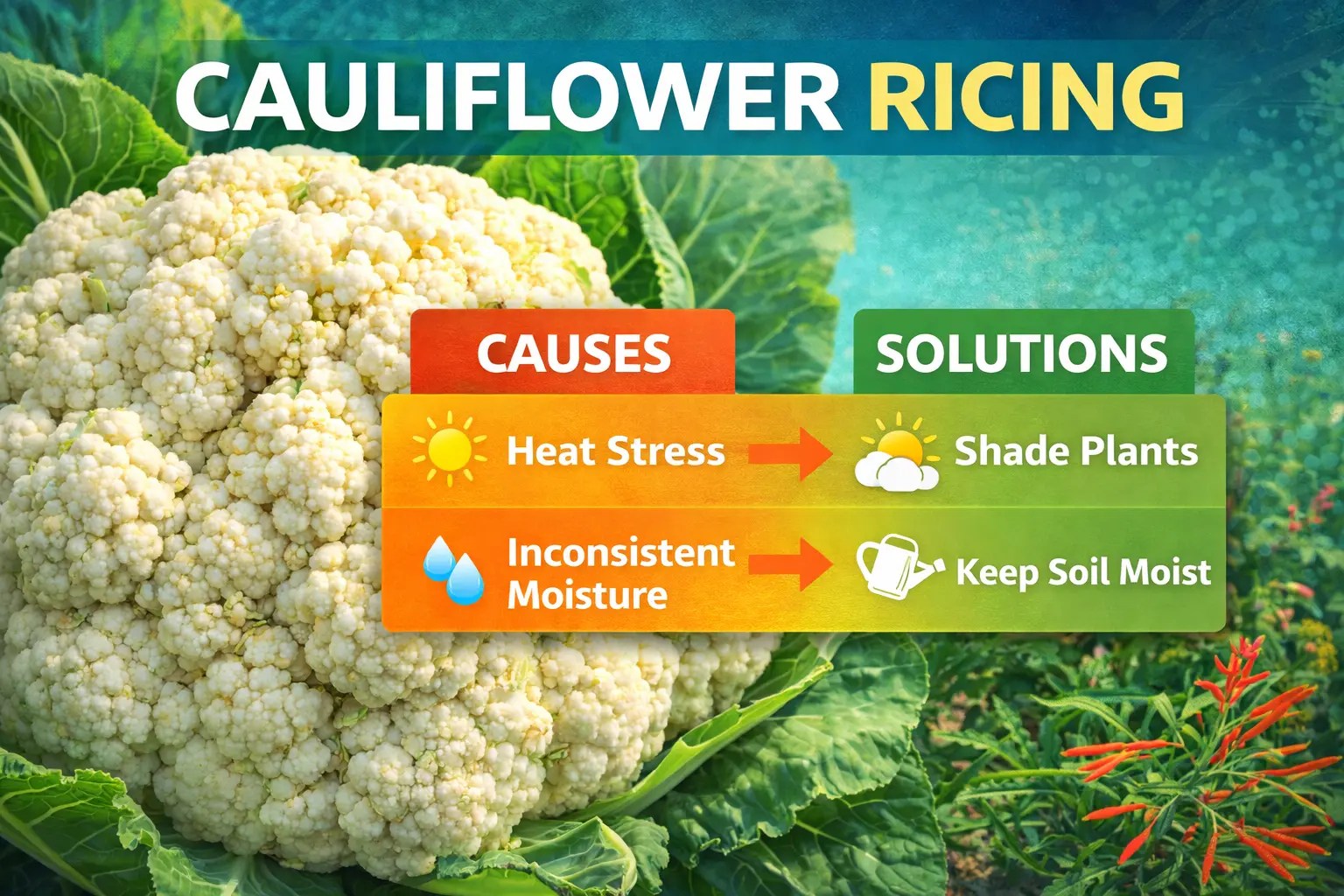
- Stress: Cauliflower plants are sensitive to stressors, such as extreme temperatures, drought, and nutrient deficiencies. These stressors can cause the plant to produce a fuzzy growth on its head in an attempt to protect itself.
- High temperatures: Cauliflower prefers to grow in cool temperatures, around 60 degrees Fahrenheit. When temperatures rise above this, the plant can become stressed and start to produce ricing.
- Nitrogen deficiency: Cauliflower requires a sufficient amount of nitrogen to produce healthy heads. If the soil is low in nitrogen, the plant may not be able to produce enough chlorophyll, which can lead to ricing.
How to Prevent Cauliflower Ricing
There are a number of things that gardeners can do to prevent cauliflower ricing:
- Provide optimal growing conditions: Cauliflower should be grown in cool temperatures, around 60 degrees Fahrenheit. The soil should be well-drained and rich in organic matter. The plants should also be watered regularly, especially during hot weather.
- Avoid stress: Cauliflower plants should be protected from stressors, such as extreme temperatures, drought, and nutrient deficiencies. This can be done by providing the plants with shade during hot weather, watering them regularly, and fertilizing them according to the soil test recommendations.
- Ensure adequate nitrogen: Cauliflower requires a sufficient amount of nitrogen to produce healthy heads. If the soil is low in nitrogen, the plants should be fertilized with a nitrogen-rich fertilizer.
How to Treat Cauliflower Ricing
If cauliflower ricing does occur, there are a few things that gardeners can do to treat it:
- Remove the fuzzy growth: The fuzzy growth can be removed by gently rubbing it off with a cloth or brush.
- Provide additional nitrogen: If the soil is low in nitrogen, the plants should be fertilized with a nitrogen-rich fertilizer.
- Protect the plants from stress: The plants should be protected from stressors, such as extreme temperatures, drought, and nutrient deficiencies. This can be done by providing the plants with shade during hot weather, watering them regularly, and fertilizing them according to the soil test recommendations.
Conclusion
Cauliflower ricing is a common problem that can affect the appearance and quality of cauliflower. However, by following the tips provided in this article, gardeners can prevent and treat cauliflower ricing and grow healthy, beautiful cauliflower heads.
