Container Gardening in Hot Climates: A Guide for Beginners
Introduction
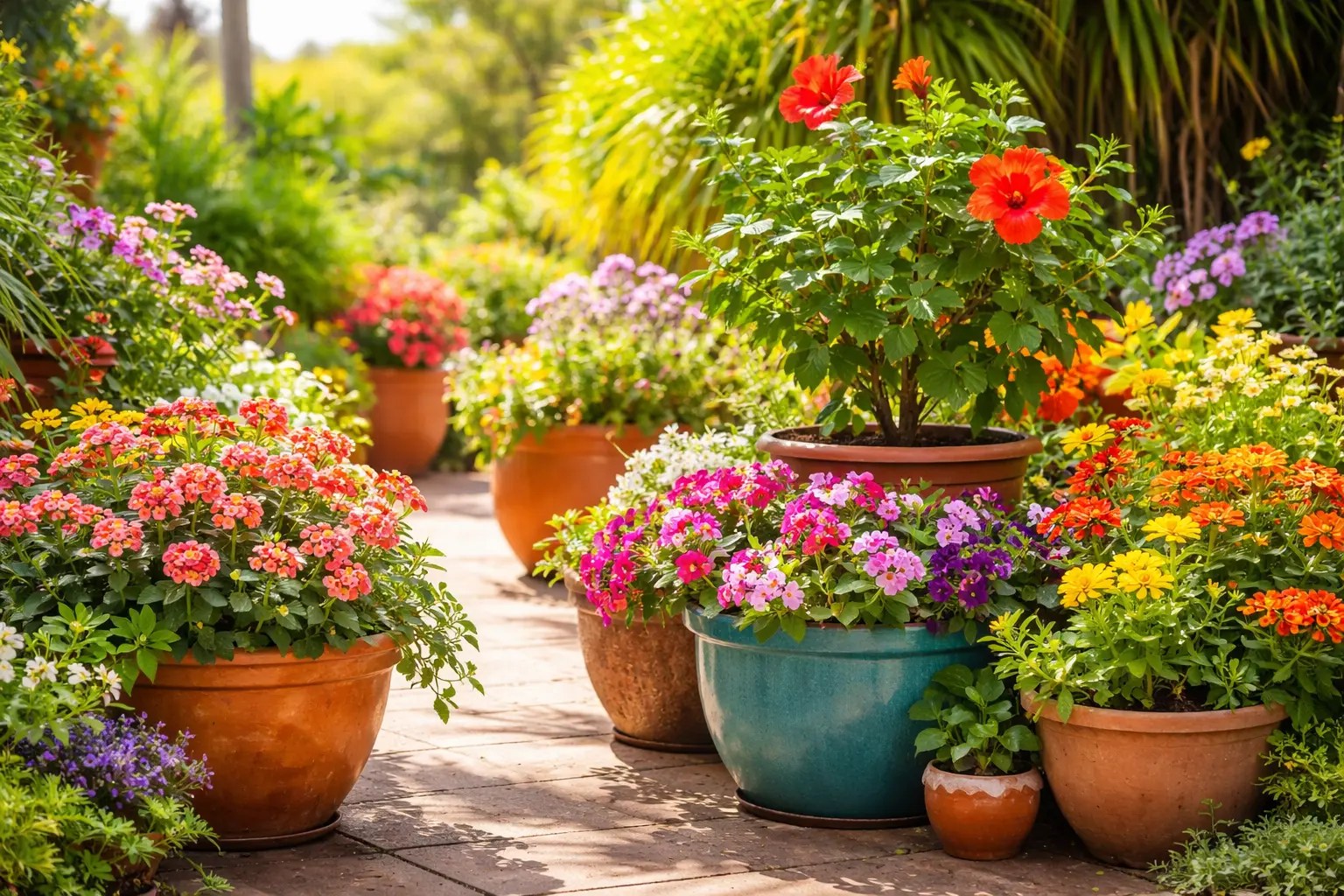
Growing plants in containers can be a challenge in hot climates. The intense heat and lack of moisture can quickly stress plants, leading to wilting, yellowing leaves, and even death. However, with the right planning and care, you can create beautiful and thriving container gardens even in the hottest of climates.
Choosing the Right Container
The first step in container gardening is choosing the right container. The pot should be large enough to accommodate the root system of the plants you plan to grow, but not so large that it becomes difficult to move or water. It should also have drainage holes to prevent waterlogging.
For hot climates, it is best to choose a pot made of a material that will not heat up quickly in the sun. Plastic pots are a good option, as they are lightweight and retain moisture well. Clay or unglazed ceramic pots are also suitable, but they tend to dry out more quickly.
Creating a Well-Draining Potting Mix
The potting mix you use is also important for container gardening in hot climates. The mix should be well-draining to prevent the roots from sitting in water, which can lead to root rot. It should also be rich in organic matter to provide nutrients for the plants.
There are many different potting mixes available on the market, but you can also make your own. A good recipe for a well-draining potting mix is:
- 1 part peat moss
- 1 part perlite
- 1 part compost
Fertilizing Container Plants
Container plants need to be fertilized regularly to ensure that they have the nutrients they need to grow and thrive. A balanced, slow-release fertilizer is a good option for container gardening, as it will provide a steady supply of nutrients over time.
Follow the directions on the fertilizer package for the amount to use and how often to apply it.
Watering Container Plants
One of the most important aspects of container gardening in hot climates is watering. Container plants dry out more quickly than plants in the ground, so it is important to check the soil regularly and water when the top few inches feel dry to the touch.
Water the plants slowly and deeply, allowing the water to penetrate all the way to the roots. Avoid overwatering, as this can lead to root rot.
Choosing Heat-Tolerant Plants
When choosing plants for your container garden, it is important to select varieties that are tolerant of heat and drought. Some good options for hot climates include:
- Angelonia
- Canna lily
- Cordyline
- Century Plant
- Annual ornamental grasses
- Lantana
- Cockscomb
- Cigar Plant
- Crossandra
- Pentas
- Vinca
- Begonia (for shadier areas)
- SunPatiens
- Geranium
- Zinnia
- Spreading Petunia
- Melampodium
- Mandevilla vine
- Diamond Frost Euphorbia
- Strawflower
Planting Your Containers
When planting your containers, start by adding a layer of gravel or broken pottery to the bottom of the pot to improve drainage. Then, fill the pot with potting mix, leaving about an inch of space at the top.
Dig a hole in the potting mix for each plant, and carefully remove the plant from its container. Place the plant in the hole and backfill with potting mix, tamping down gently to remove any air pockets.
Water the plants thoroughly after planting.
Maintaining Your Container Garden
Once your container garden is planted, there are a few things you can do to keep it looking its best:
- Water the plants regularly, especially during hot weather.
- Fertilize the plants every few weeks with a balanced, slow-release fertilizer.
- Deadhead spent flowers to encourage new growth.
- Repot the plants as needed, when they become rootbound or the potting mix starts to break down.
With proper care, your container garden will thrive even in the hottest of climates, providing you with beautiful flowers and foliage all season long.
