
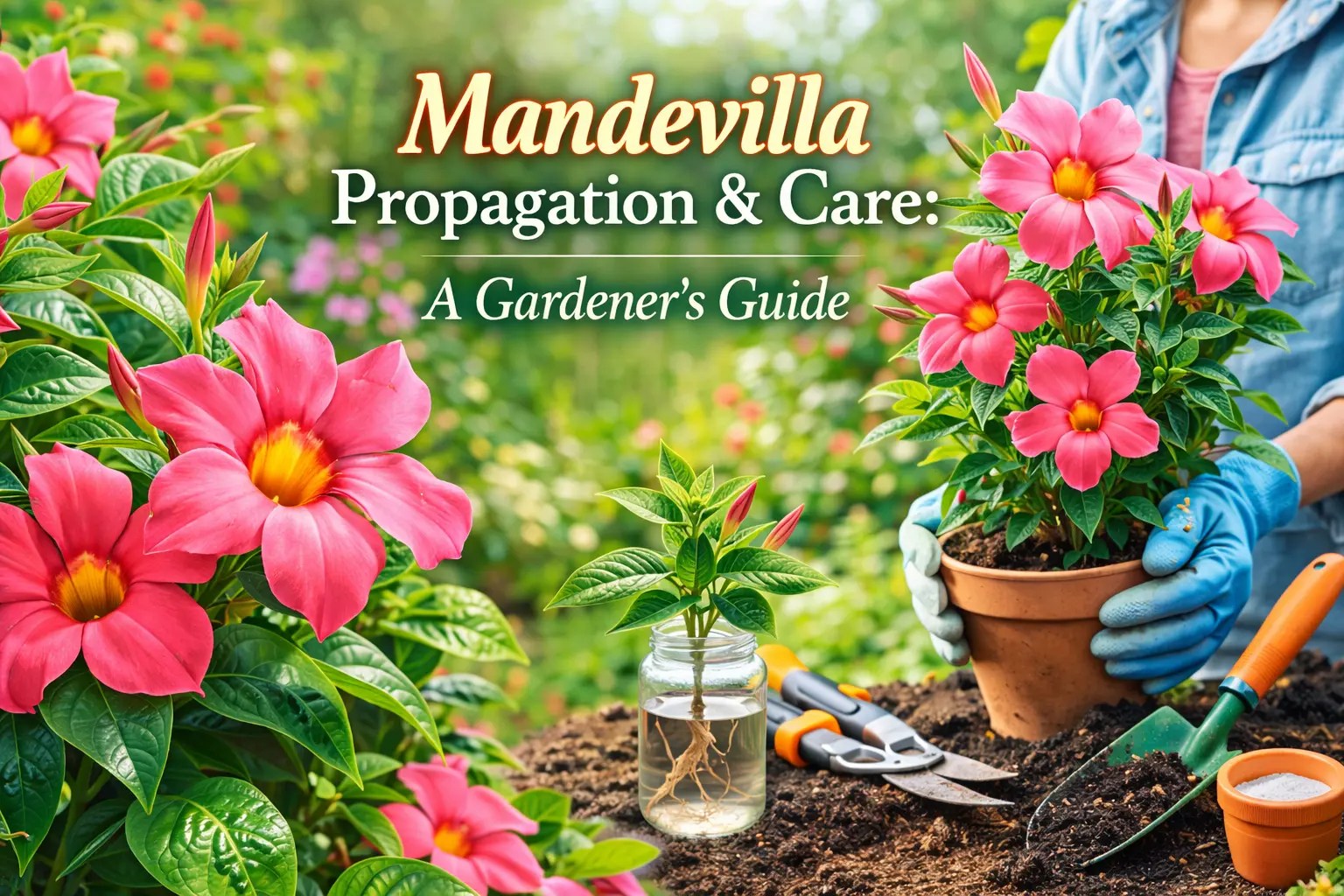
Mandevilla: A Tropical Vine with Showy Blooms
Mandevilla, also known as dipladenia, is a tropical vine that produces an abundance of large, showy, trumpet-shaped blooms. It’s a popular choice for gardeners in warm climates who want to add a touch of color and beauty to their landscapes.
Can You Propagate Mandevilla from Tubers?
Unfortunately, propagating mandevilla from tubers is not a viable method. Mandevilla tubers are thickened roots that store nutrients for the plant during the winter months. They are not part of the plant’s reproductive system.
How to Propagate Mandevilla
There are two easy ways to propagate mandevilla:
- Seeds: Mandevilla seeds can be sown indoors in late winter or early spring. Germination takes about two weeks.
- Softwood Cuttings: Softwood cuttings can be taken from healthy mandevilla stems in the spring or summer. Root the cuttings in a moist potting mix and keep them in a warm, humid environment.
Mandevilla Tubers: What They Are and Why They’re Important
Mandevilla tubers are thickened roots that store nutrients for the plant. They are generally shorter and plumper than rhizomes. During the winter months, when the plant is dormant, the tubers provide energy for the plant.
It’s important not to remove the tubers from the plant before storing it for the winter. The tubers are necessary for plant health and should not be excised from the main plant.
How to Care for Mandevilla Tubers for Winter
Mandevilla plants are suitable for growing year-round in USDA plant hardiness zones 9 through 11. In colder climates, the plant needs a little help to get through the winter.
Option 1: Bring Indoors
- Trim the plant down to about 12 inches.
- Bring it inside your home and place it in a warm, sunny location.
- Water the vine deeply about once a week, then let the pot drain thoroughly.
- Water again when the surface of the soil feels slightly dry.
Option 2: Store in a Dark Room
- Cut the plant back to about 12 inches.
- Place it in a dark room where temperatures remain between 50 and 60°F (10-16°C).
- Water lightly about once every month.
Option 3: Leave Outdoors in Mild Climates
- In USDA plant hardiness zones 9 through 11, mandevilla plants can be left outdoors year-round.
- Simply mulch around the plant to protect the tubers from the cold.
Signs of a Healthy Mandevilla Plant
A healthy mandevilla plant will have:
- Dark green leaves
- Abundant blooms
- Vigorous growth
Common Problems with Mandevilla Plants
Mandevilla plants are generally low-maintenance, but they can sometimes develop problems, such as:
- Yellowing leaves: This can be a sign of overwatering or nutrient deficiency.
- Wilting: This can be a sign of underwatering or root rot.
- Pests: Mandevilla plants can be susceptible to pests such as aphids, mealybugs, and spider mites.
Conclusion
Mandevilla is a beautiful and easy-to-care-for tropical vine that can add a touch of color and beauty to any garden. By following the tips in this article, you can keep your mandevilla plant healthy and blooming for years to come.
