
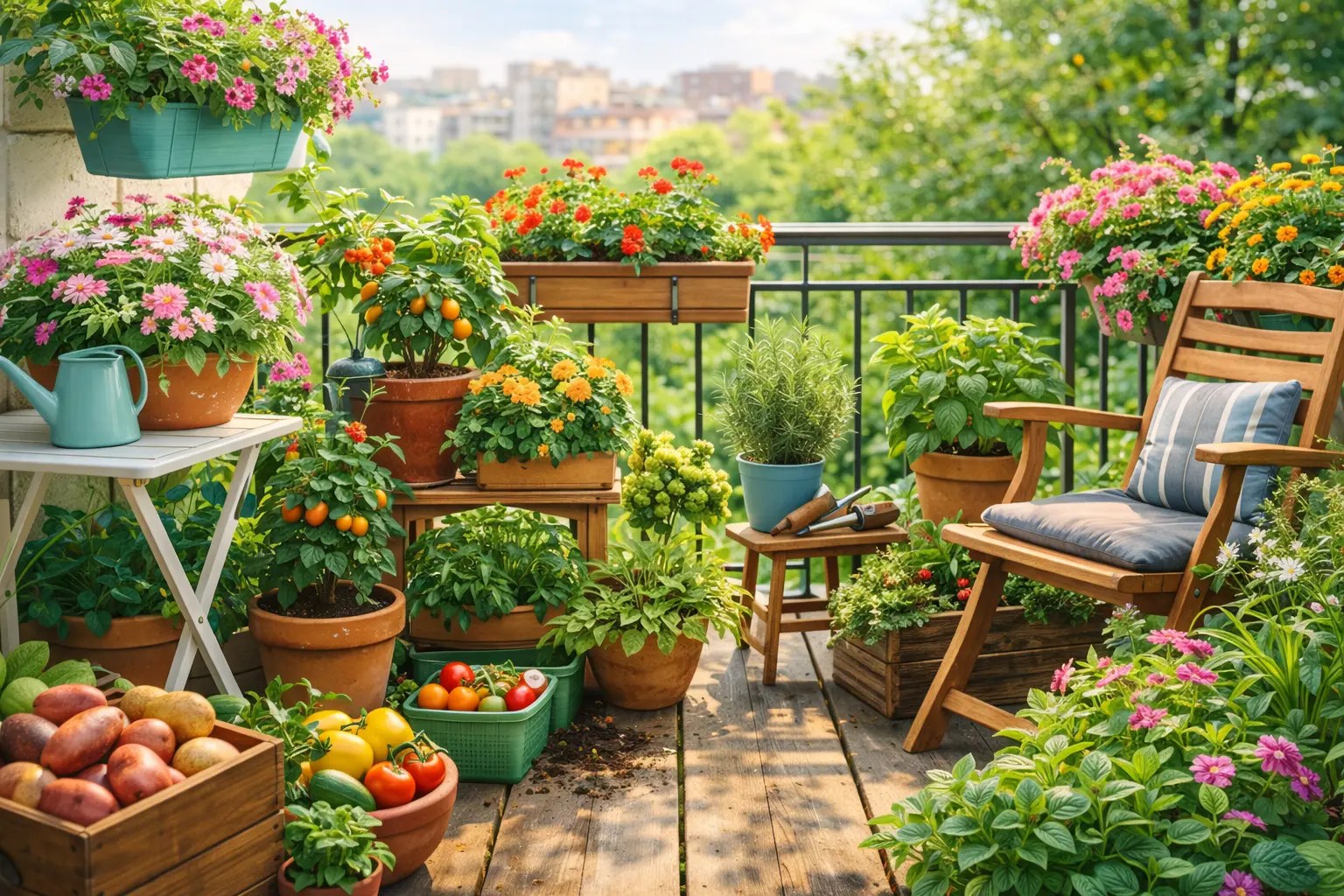
Balcony Gardening: A Guide for Beginners
Introduction
Do you dream of having a garden but live in an apartment with no backyard? Don’t worry, you can still enjoy the benefits of gardening on your balcony. Balcony gardening is a great way to add some greenery to your living space, grow your own food, and create a peaceful retreat.
What is Balcony Gardening?
Balcony gardening is simply the practice of growing plants in containers on your balcony. It’s a great way to bring nature into your home and enjoy the benefits of gardening even if you don’t have a lot of space.
Benefits of Balcony Gardening
There are many benefits to balcony gardening, including:
- Increased access to fresh produce: Growing your own vegetables and herbs on your balcony is a great way to ensure that you have access to fresh, organic produce all season long.
- Improved air quality: Plants help to purify the air by removing toxins and producing oxygen.
- Reduced stress: Gardening can be a relaxing and therapeutic activity. Spending time in nature, even on a small scale, has been shown to reduce stress and improve mood.
- Increased privacy: Plants can be used to create a privacy screen on your balcony, giving you a more secluded space to relax and enjoy the outdoors.
Choosing the Right Plants for Balcony Gardening
When choosing plants for your balcony garden, it’s important to consider the following factors:
- Sunlight: How much sunlight does your balcony receive? Some plants need full sun, while others can tolerate partial shade or even full shade.
- Space: How much space do you have on your balcony? Some plants, such as tomatoes and cucumbers, need more space to grow than others, such as herbs and succulents.
- Maintenance: How much time and effort do you want to spend caring for your plants? Some plants, such as roses and ferns, require more maintenance than others, such as succulents and herbs.
Designing Your Balcony Garden
Once you’ve chosen your plants, it’s time to start designing your balcony garden. Here are a few tips:
- Use vertical space: Trellises and hanging baskets are a great way to maximize space on a small balcony.
- Mix and match plants: Create a visually interesting garden by mixing and matching different types of plants, such as flowers, vegetables, and herbs.
- Don’t be afraid to experiment: There are no rules when it comes to balcony gardening. Experiment with different plant combinations and layouts to find what works best for you.
Maintaining Your Balcony Garden
Once your balcony garden is planted, it’s important to maintain it properly. Here are a few tips:
- Water regularly: Plants in containers dry out more quickly than plants in the ground, so it’s important to water them regularly, especially during hot weather.
- Fertilize regularly: Plants need nutrients to grow and thrive. Fertilize your plants regularly according to the directions on the fertilizer package.
- Prune regularly: Pruning helps to keep plants healthy and looking their best. Remove any dead or diseased leaves or stems, and trim back overgrown plants.
Troubleshooting Common Balcony Gardening Problems
Here are a few common problems that you may encounter when balcony gardening, and how to solve them:
- Pests: Aphids, spider mites, and other pests can be a problem for balcony gardens. To control pests, use insecticidal soap or neem oil.
- Diseases: Fungal diseases, such as powdery mildew and botrytis, can also be a problem for balcony gardens. To control diseases, use a fungicide.
- Nutrient deficiencies: Plants that are not getting enough nutrients may show signs of nutrient deficiency, such as yellowing leaves or stunted growth. To correct nutrient deficiencies, fertilize your plants regularly.
Conclusion
Balcony gardening is a great way to add some greenery to your living space, grow your own food, and create a peaceful retreat. By following the tips in this guide, you can create a beautiful and thriving balcony garden that you’ll enjoy for years to come.
