
The Enchanting Moroccan Garden: A Guide to Creating an Oasis of Beauty and Tranquility
Introduction
Moroccan gardens are renowned for their lush beauty and exotic charm. Inspired by centuries of Islamic, Moorish, and French influences, these gardens offer a unique blend of vibrant colors, fragrant scents, and serene spaces. Whether you’re looking to create a tranquil retreat or simply add a touch of Moroccan flair to your outdoor space, this comprehensive guide will provide you with all the tips and tricks you need to design and maintain a stunning Moroccan garden.
Courtyards: The Heart of a Moroccan Garden
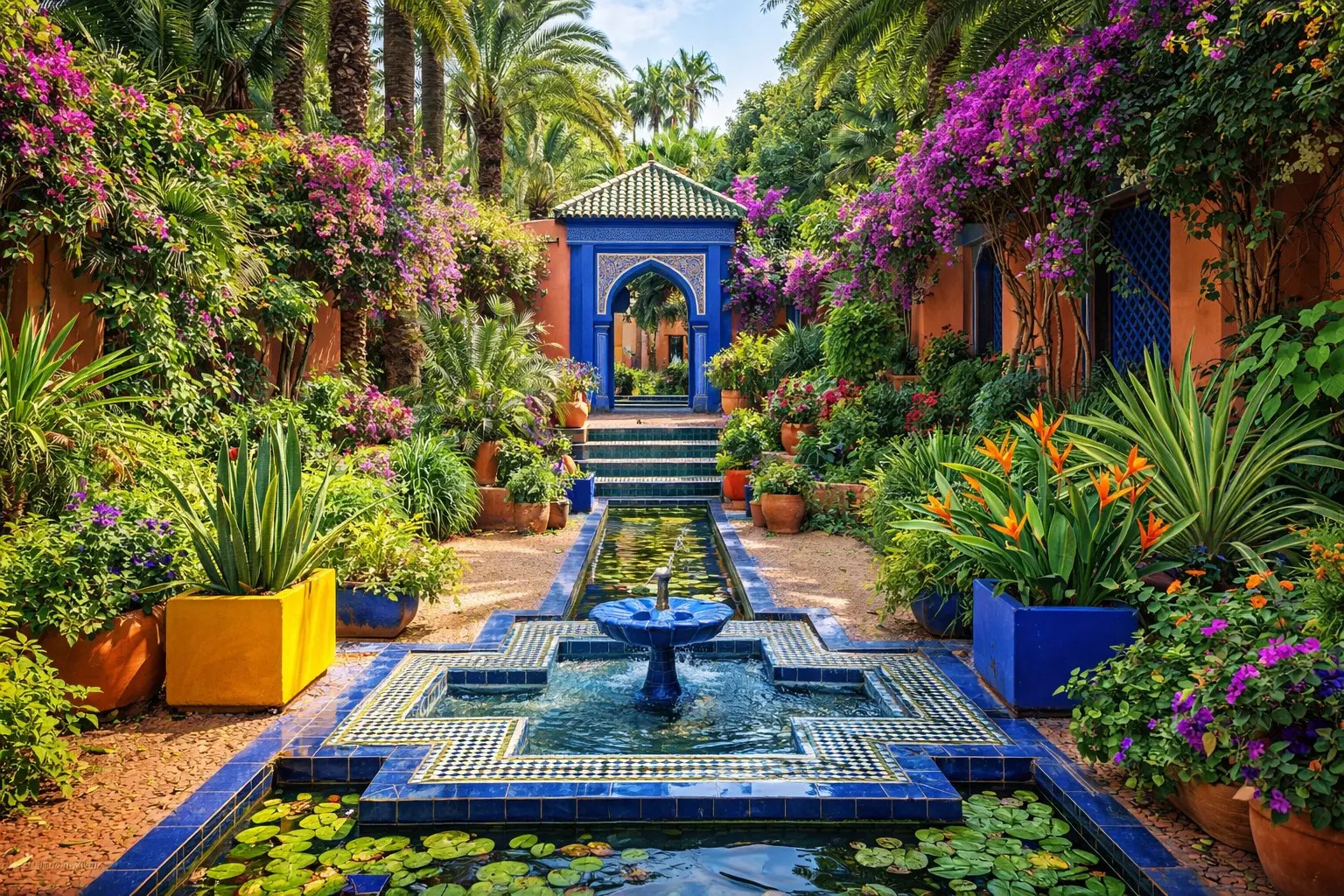
Courtyards are a defining feature of Moroccan gardens, providing a sheltered and private space to relax and entertain. These enclosed areas are often surrounded by high walls or hedges, which offer protection from the elements and create a sense of intimacy. Courtyards typically feature a central water feature, such as a fountain or pool, which adds a touch of tranquility and helps to cool the air.
Plants for a Moroccan Garden
Moroccan gardens are known for their vibrant and exotic plant life. Heat-loving and drought-tolerant plants are essential for this type of garden, as they can withstand the warm and dry climate. Some popular choices include:
- Palms
- Aspidistra
- Bird of paradise
- Succulents
- Cacti
- Agave
- Aloes
- Geraniums
- Citrus trees
Designing a Moroccan Garden
When designing your Moroccan garden, it’s important to consider the following elements:
- Foliage plants: Lush foliage plants, such as palms and aspidistra, provide a lush backdrop and create a sense of privacy.
- Terra cotta pots: Terra cotta pots are a traditional Moroccan garden accessory and can be used to add color and texture to your space.
- Color: Bright colors are often used in Moroccan gardens to create a vibrant and welcoming atmosphere. Consider painting your walls a bold shade of green, blue, or red to promote relaxation or activity, respectively.
- Accessories: Birdcages, lanterns, jewel tones, and striped fabrics are all common accessories in Moroccan gardens. Use these elements to add a touch of authenticity and personality to your space.
- Carved furniture: Carved furniture pieces, such as benches and tables, can add an authentic Moroccan look to your garden. Consider customizing these pieces with intricate designs or colorful tiles to match your personal style.
Tips for Creating a Moroccan Garden on a Budget
Creating a Moroccan garden doesn’t have to be expensive. Here are a few tips for designing a beautiful garden on a budget:
- Use native plants: Native plants are typically well-adapted to your local climate and require less water and maintenance.
- Shop at local nurseries: Local nurseries often have a wider selection of plants and accessories at more affordable prices than big box stores.
- Get creative with materials: Don’t be afraid to use recycled materials or repurpose old items to create unique and budget-friendly garden features.
- DIY projects: Tackle some of the garden projects yourself, such as building planters or painting walls, to save money on labor costs.
Conclusion
With its vibrant colors, exotic plants, and serene atmosphere, a Moroccan garden is a true oasis of beauty and tranquility. By following the tips and suggestions outlined in this guide, you can create a Moroccan garden that is both authentic and reflective of your own personal style. Whether you’re looking to create a lush retreat or simply add a touch of Moroccan flair to your outdoor space, the possibilities are endless.
