
How to Propagate Bottlebrush Trees: A Comprehensive Guide
Introduction
Bottlebrush trees, also known as Callistemon, are beautiful and easy-to-grow plants that add a splash of color to any garden. They’re known for their distinctive bottlebrush-shaped flowers that bloom in spring and summer. If you’re looking to add these lovely trees to your landscape, propagation is a great way to get started.
Understanding Bottlebrush Tree Propagation
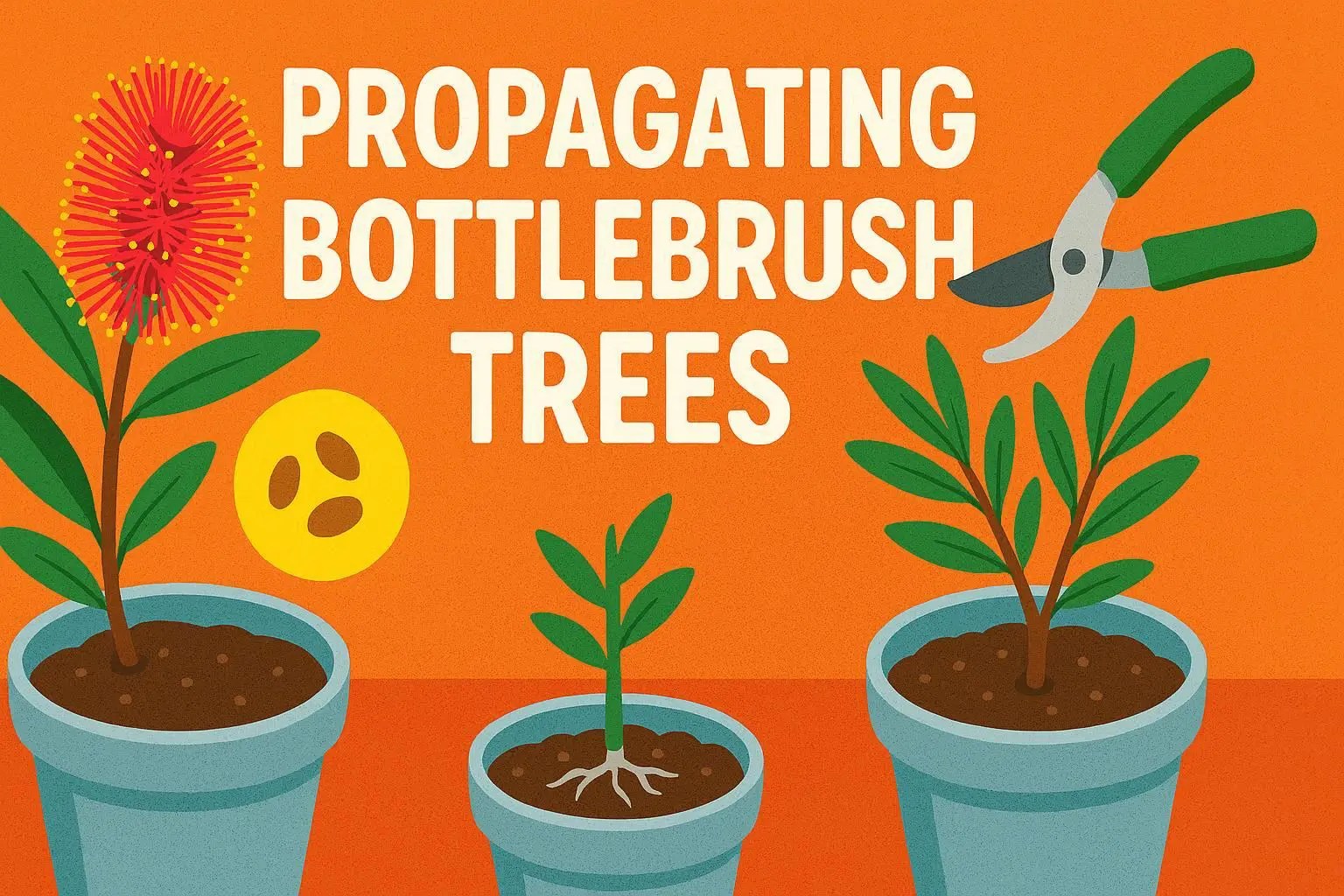
There are two main methods for propagating bottlebrush trees: from seed and from cuttings. Both methods are relatively easy, but each has its own advantages and disadvantages.
Propagation from Seed
Growing bottlebrush trees from seed is a great way to get a variety of plants, including hybrids. To collect seeds, wait until the bottlebrush flowers have faded and the seed pods have turned brown. Open the pods and collect the tiny seeds inside.
Sow the seeds in well-draining potting soil in spring. Keep the soil moist and warm, and the seeds should germinate within a few weeks. Once the seedlings have developed their first set of true leaves, you can transplant them into individual pots or into the ground.
Propagation from Cuttings
If you want to propagate a specific variety of bottlebrush tree, such as a hybrid, taking cuttings is the best option. Cuttings are taken from semi-mature wood in summer.
To take a cutting, use clean, sterilized pruners to cut a 6-inch (15 cm) section of stem. Remove the leaves from the lower half of the cutting and any flower buds. Dip the cut end of the cutting into hormone powder and plunge it into a rooting medium.
Keep the cuttings moist and covered with plastic bags to maintain humidity. Roots should form within 10 weeks. Once the cuttings have developed a good root system, you can remove the bags and transplant them into individual pots or into the ground.
Tips for Successful Propagation
- Use well-draining soil to prevent root rot.
- Keep the soil moist but not soggy.
- Provide plenty of sunlight, especially for seedlings.
- Fertilize the plants regularly to promote healthy growth.
- Protect the plants from frost, especially when they are young.
Troubleshooting Propagation Problems
If your bottlebrush tree propagation attempts are not successful, there are a few things you can check:
- Seeds not germinating: The seeds may be old or damaged. Try using fresh seeds and make sure to keep them in a cool, dry place before planting.
- Cuttings not rooting: The cuttings may not have been taken from semi-mature wood or they may have been damaged during the process. Try taking new cuttings and make sure to use clean, sterilized pruners.
- Seedlings or cuttings dying: The plants may be getting too much or too little water, or they may not be getting enough sunlight. Adjust your watering schedule and make sure the plants are getting plenty of light.
With a little care and attention, you can successfully propagate bottlebrush trees and enjoy their beautiful flowers for years to come.
