
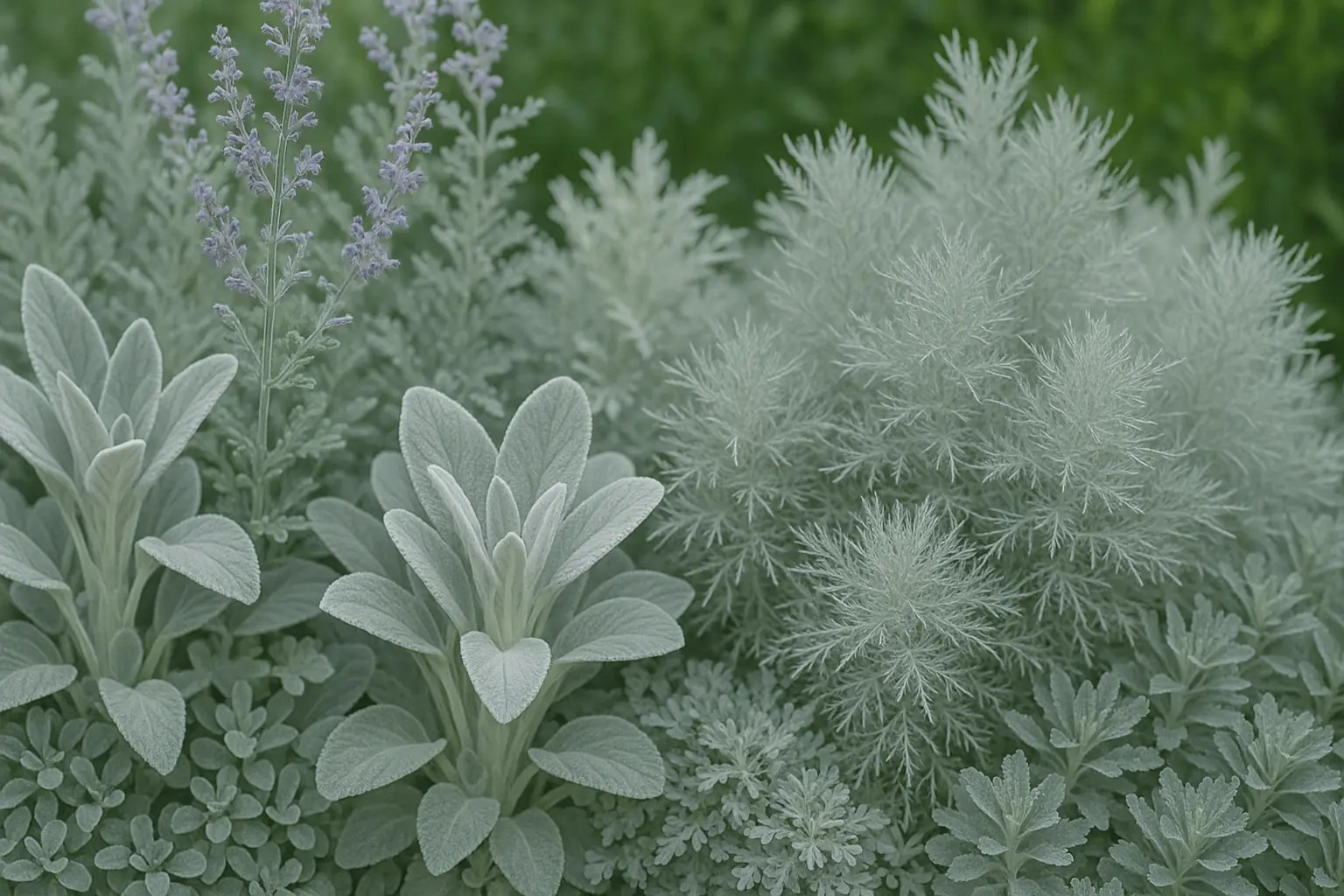
Silver and Gray Foliage Plants: A Guide to Adding Dimension and Interest to Your Garden
Silver and gray foliage plants can add a touch of elegance and sophistication to any garden. They are also relatively easy to care for, making them a good choice for both novice and experienced gardeners.
Why Choose Silver and Gray Foliage Plants?
Silver and gray foliage plants have a number of advantages over other types of plants. First, they are very drought-tolerant. This makes them a good choice for gardens in hot and dry climates. Second, they are often low-maintenance plants. They do not require a lot of fertilizer or water, and they are not prone to pests or diseases. Third, silver and gray foliage plants can add a unique touch to your garden. They can be used to create stunning focal points, or they can be used to add contrast to green plants.
How to Use Silver and Gray Foliage Plants in Your Garden
Silver and gray foliage plants can be used in a variety of ways in the garden. Here are a few ideas:
- As focal points: Silver and gray foliage plants can make stunning focal points in the garden. They can be planted in containers or in the ground, and they can be used to create a variety of different looks. For example, you could plant a group of silver-leaved plants in the center of a flower bed, or you could plant a row of gray-leaved plants along a walkway.
- As contrast to green plants: Silver and gray foliage plants can also be used to create contrast to green plants. This can help to add depth and interest to your garden. For example, you could plant a silver-leaved plant next to a green-leaved plant, or you could plant a row of gray-leaved plants behind a row of green-leaved plants.
- To tone down bright colors: Silver and gray foliage plants can also be used to tone down bright colors in the garden. This can help to create a more balanced and harmonious look. For example, you could plant a silver-leaved plant next to a brightly colored flower, or you could plant a row of gray-leaved plants behind a row of brightly colored flowers.
The Best Silver and Gray Foliage Plants for Your Garden
There are many different types of silver and gray foliage plants available. Here are a few of the most popular:
- Lamb’s ear (Stachys byzantina): Lamb’s ear is a popular silver-leaved plant that is often used as a ground cover. It has soft, fuzzy leaves that give it a lamb’s ear-like appearance.
- Russian sage (Perovskia atriplicifolia): Russian sage is a tall, stately plant with lavender-blue flowers and gray foliage. It is a popular choice for borders and cutting gardens.
- Faassen’s catmint (Nepata x faassenii): Faassen’s catmint is a low-growing plant with gray-green foliage and blue flowers. It is a good choice for edging and containers.
- Amethyst sea holly (Eryngium amethystinum): Amethyst sea holly is a unique plant with steel-blue flowers and gray-green foliage. It is a good choice for adding a touch of drama to the garden.
- Silvermound mugwort (Artemisia schmidtiana): Silvermound mugwort is a low-growing plant with wooly gray foliage and tiny, pale yellow flowers. It is a good choice for ground covers and rock gardens.
How to Care for Silver and Gray Foliage Plants
Silver and gray foliage plants are relatively easy to care for. Here are a few tips:
- Water: Silver and gray foliage plants do not need a lot of water. Water them deeply once a week, and then allow the soil to dry out completely before watering again.
- Fertilizer: Silver and gray foliage plants do not need a lot of fertilizer. Fertilize them once a month during the growing season with a balanced fertilizer.
- Pruning: Silver and gray foliage plants do not need a lot of pruning. Simply remove any dead or damaged leaves as needed.
Conclusion
Silver and gray foliage plants are a beautiful and versatile addition to any garden. They are easy to care for and can be used in a variety of ways to add dimension and interest to your landscape.
