
0
Growing Caraway in Containers: A Guide for Beginners
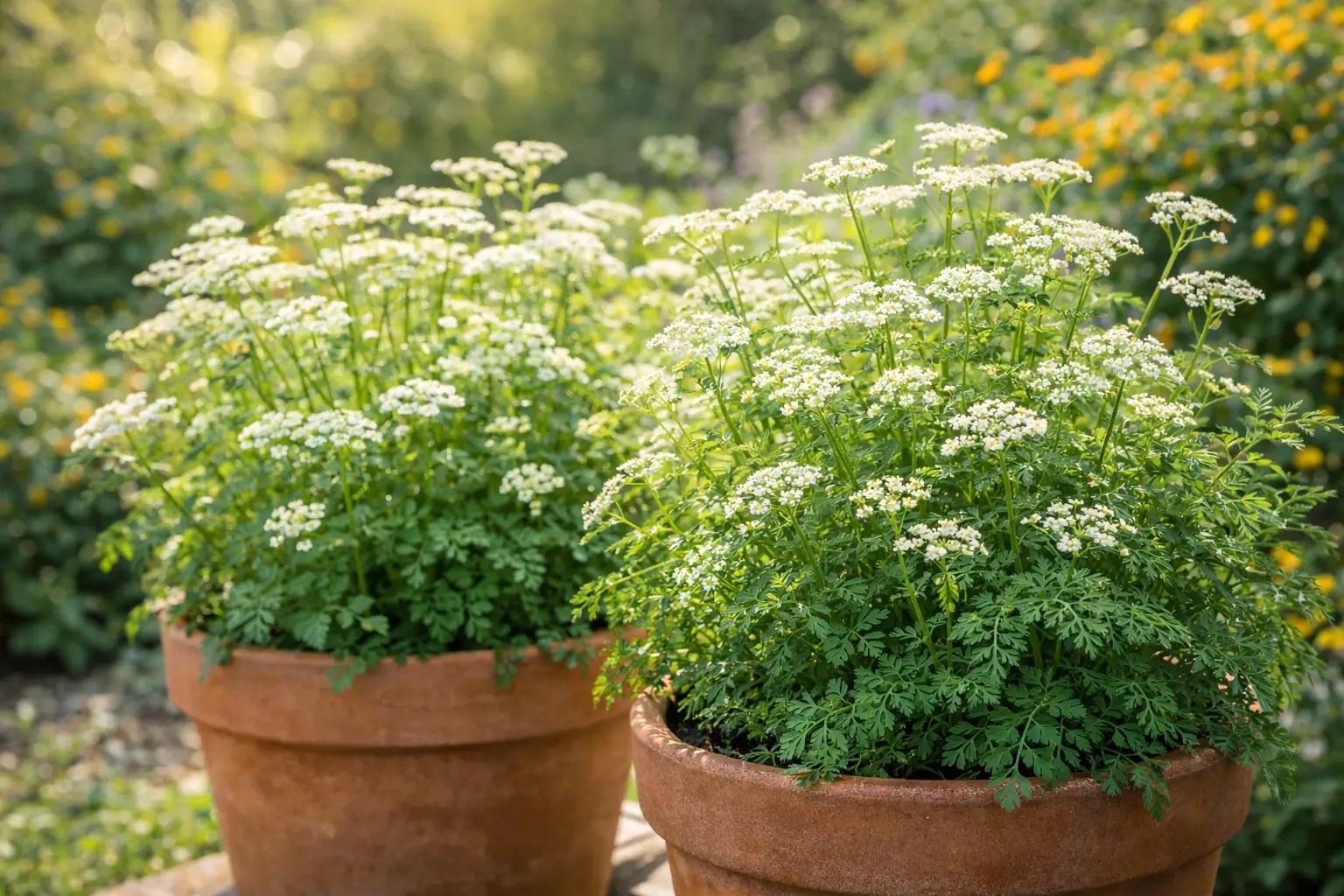
Caraway is a versatile herb that can be grown in containers, making it a great option for small spaces, apartment dwellers, and those with limited gardening experience. Here’s a comprehensive guide to help you get started:
Benefits of Container-Grown Caraway
- Compact and space-saving: Containers allow you to grow caraway in small spaces, such as patios, balconies, and even indoors.
- Mobility and versatility: Potted caraway plants can be easily moved around to take advantage of sunlight or shelter from harsh weather.
- Culinary and medicinal uses: Caraway leaves, roots, and seeds are all edible and can be used in a variety of dishes and herbal remedies.
- Easy maintenance: Container-grown caraway requires less watering and fertilizing than plants grown in the ground.
Choosing a Container and Soil
- Container size: Choose a container that is at least 8 inches deep to accommodate the caraway’s deep taproot. For growing other herbs or vegetables with caraway, choose a container that is up to a foot wide.
- Drainage holes: Ensure the container has drainage holes to prevent waterlogging, which can damage the roots.
- Soil: Use well-draining soil with a bit of compost worked into it.
Planting Caraway in Containers
- Starting seeds: Start caraway seeds indoors in flats or seed trays, planting them ½ inch deep.
- Thinning seedlings: Once seedlings have germinated, thin them to at least 8 inches apart to allow for proper growth.
- Hardening off seedlings: Before transplanting seedlings outdoors, harden them off by gradually exposing them to outdoor conditions over a period of a week.
- Transplanting: Transplant seedlings into the prepared container at the same level they were growing in the flats.
Caraway Container Plant Care
- Watering: Water young seedlings frequently until they are established. Mature plants need infrequent watering, only when the soil feels dry to the touch.
- Fertilizing: Fertilize container-grown caraway every few weeks during the growing season with a good organic liquid fertilizer.
- Light: Caraway prefers full sun but can tolerate partial shade. Position the container in a spot that receives at least 6 hours of sunlight per day.
- Pests and diseases: Caraway is generally pest- and disease-resistant, but parsley caterpillars may occasionally invade. Handpick and destroy these pests.
Harvesting Caraway
- Leaves: Caraway leaves can be harvested in either year one or two and used fresh in salads, soups, and other dishes.
- Seeds: Seeds are collected when the petals drop and the seed capsules turn tan. Allow the capsules to dry completely before harvesting the seeds.
Tips for Growing Caraway in Containers
- Companion planting: Caraway can be grown alongside other herbs and vegetables, such as tomatoes, carrots, and onions.
- Winter protection: In areas with sustained snow and frost, move containers to a sheltered location during the winter months.
- Pruning: Deadhead spent flowers to encourage bushier growth and prevent self-seeding.
- Repotting: Repot caraway plants every 2-3 years into a larger container with fresh soil.
With proper care and attention, you can enjoy the aromatic and flavorful benefits of caraway grown in containers right outside your doorstep. Whether you’re a seasoned gardener or just starting out, growing caraway in containers is a rewarding and space-saving way to cultivate this versatile herb.
