
North African Herbs and Spices: A Guide to Growing and Using
Introduction
North Africa, a region located near southern Europe and southwest Asia, is home to a diverse population and a rich culinary tradition. The region’s strategic location along the spice trade route has heavily influenced its unique cooking style, which relies heavily on a variety of North African herbs and spices.
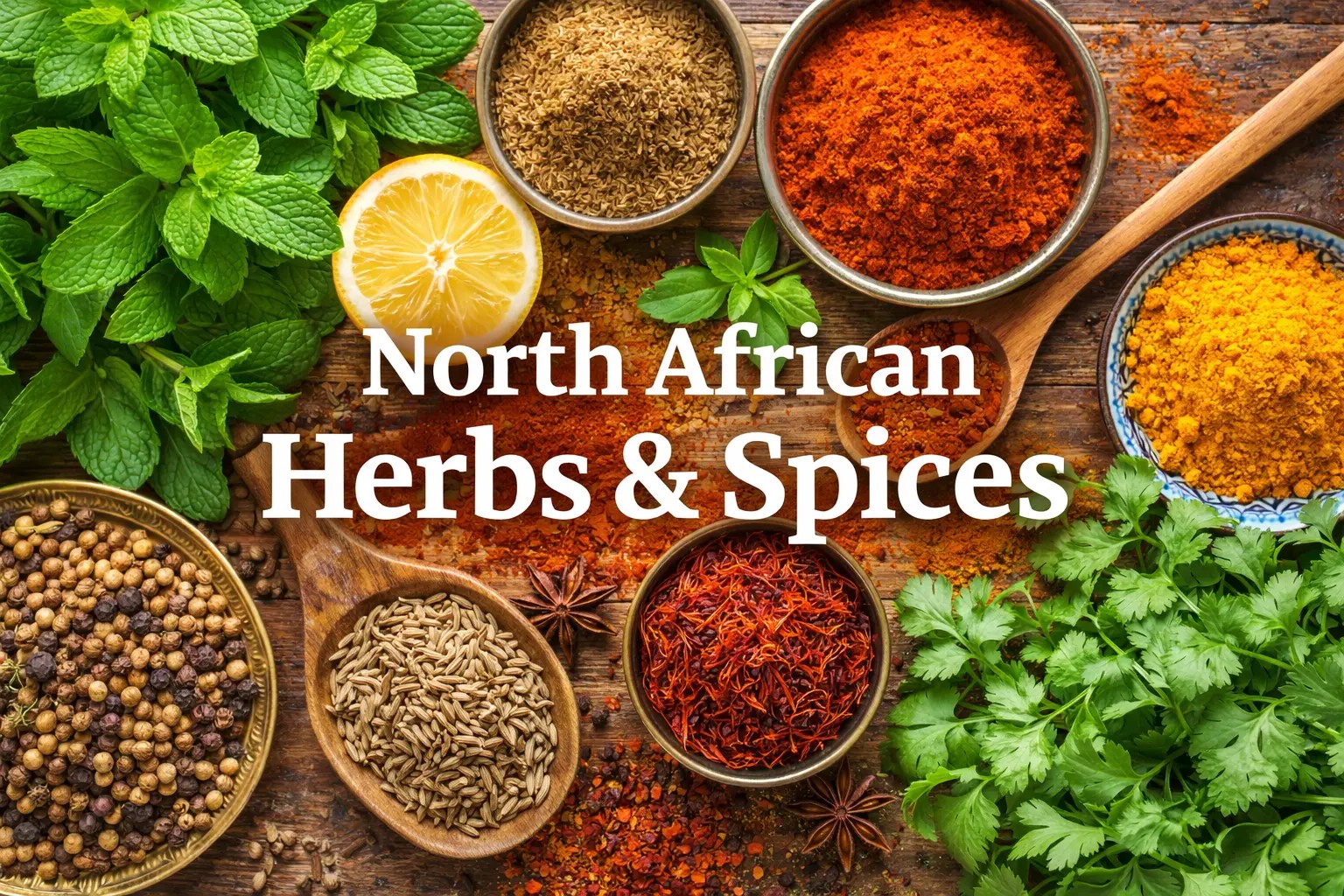
North African Herbs and Spices
North African cooks use complex blends of herbs and spices, often containing over 20 different ingredients. Some of the most popular blends include:
- Ras el Hanout: A blend of cinnamon, paprika, cayenne, cumin, peppercorns, nutmeg, cloves, cardamom, allspice, and turmeric.
- Harissa: A spicy paste made with garlic, hot chili peppers, mint, and various North African herbs and spices, along with lemon juice and olive oil.
- Berbere: A blend of chilies, fenugreek, garlic, basil, cardamom, ginger, coriander, and black pepper.
Growing North African Herbs
Growing North African herbs in your own garden is a great way to enjoy the flavors of this cuisine. Here are some tips:
- Climate: North Africa has a hot and dry climate, but nighttime temperatures can drop below freezing. Choose plants that can tolerate these extreme temperatures.
- Containers: North African herbs and spices thrive in containers. They are easy to water and can be moved if the weather becomes too hot or too cold.
- Soil: Use a good quality, well-draining commercial pot mix.
- Watering: Water deeply when the surface of the soil feels dry to the touch.
- Pests: Insecticidal soap can safely kill most pests that invade North African herbs and spices.
- Harvesting: Harvest herbs generously as they ripen. Dry or freeze some for later use.
How to Use North African Herbs and Spices
North African herbs and spices can be used in a variety of dishes, including:
- Tagines: Slow-cooked stews with meat, vegetables, and spices.
- Couscous: A steamed semolina dish often served with vegetables and meat.
- Salads: Fresh salads with herbs, spices, and vegetables.
- Soups: Flavorful soups made with a variety of herbs and spices.
- Desserts: Sweet treats flavored with herbs and spices, such as mint tea and baklava.
Conclusion
North African herbs and spices are a vital part of the region’s cuisine. By growing your own herbs and using them in your cooking, you can enjoy the unique flavors of this vibrant culinary tradition.
