
Dragon Bone Plants: A Beginner’s Guide
What is a Dragon Bone Plant?
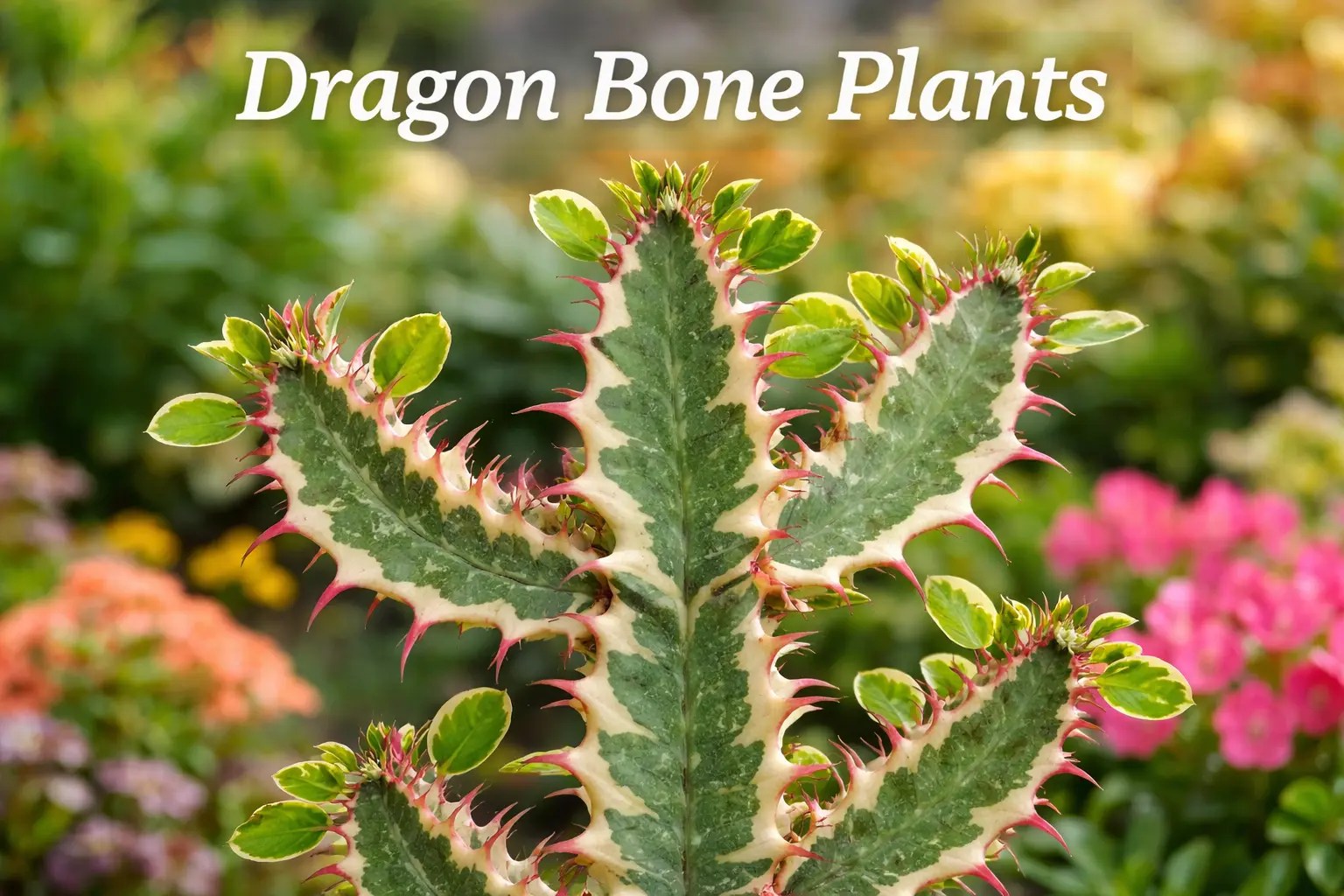
Dragon bone plants, also known as dragon bones or Euphorbia lactea, are unique and beautiful succulents that belong to the Euphorbia family. They are native to India but can be grown in many different climates.
Dragon bone plants are characterized by their triangular branches that form a scaffold-like structure. They have tiny, heart-shaped leaves and numerous reddish-pink spines. The plant produces a latex milky sap that can be toxic to some people, so it’s important to wear gloves when handling it.
Growing Dragon Bone Plants
Dragon bone plants can be grown both indoors and outdoors. If you live in a cold climate, it’s best to grow them in a pot or container that can be brought indoors during the winter months.
Soil: Dragon bone plants prefer well-draining soil. You can use a commercial cactus potting mix or make your own by mixing potting soil with gritty sand or pebbles.
Light: Dragon bone plants need full sun to partial shade. If you’re growing them indoors, place them in a bright window that receives plenty of sunlight.
Water: Water your dragon bone plant regularly, about once per week during the growing season. Allow the soil to dry out slightly between waterings. In the winter, water less frequently, about once per month.
Fertilizer: Fertilize your dragon bone plant every two weeks during the growing season with a water-soluble fertilizer diluted to half strength. Suspend feeding in the fall and winter.
Propagating Dragon Bone Plants
Dragon bone plants can be propagated through stem cuttings. Here’s how to do it:
- Take a cutting from a healthy stem.
- Allow the cutting to dry out for a few days to form a callus on the cut end.
- Plant the cutting in a pot filled with well-draining soil.
- Keep the soil moist but not soggy.
- Once the cutting has developed roots, you can transplant it to a larger pot or container.
Caring for Dragon Bone Plants
Dragon bone plants are relatively easy to care for. Here are a few tips:
- Watering: Water your dragon bone plant regularly, but allow the soil to dry out slightly between waterings.
- Fertilizing: Fertilize your dragon bone plant every two weeks during the growing season with a water-soluble fertilizer diluted to half strength.
- Pruning: Prune your dragon bone plant as needed to remove errant stems or keep it in a tidy shape.
- Pests and diseases: Dragon bone plants are generally resistant to pests and diseases. However, they can occasionally be affected by mealybugs, aphids, or spider mites. Treat infestations with insecticidal soap.
Troubleshooting Dragon Bone Plant Problems
Problem: My dragon bone plant is losing its leaves.
Possible cause: Dragon bone plants naturally lose their leaves as they age. However, if your plant is losing leaves rapidly, it may be a sign of overwatering or underwatering.
Solution: Adjust your watering schedule accordingly.
Problem: My dragon bone plant has brown spots on its leaves.
Possible cause: Brown spots on the leaves of a dragon bone plant can be a sign of sunburn or disease.
Solution: Move your plant to a location with less direct sunlight. If the spots persist, consult with a plant expert to rule out disease.
Problem: My dragon bone plant is not growing.
Possible cause: Dragon bone plants can go dormant during the winter months. If your plant is not growing during the spring or summer, it may be a sign of a lack of sunlight or nutrients.
Solution: Move your plant to a brighter location and fertilize it regularly.
