
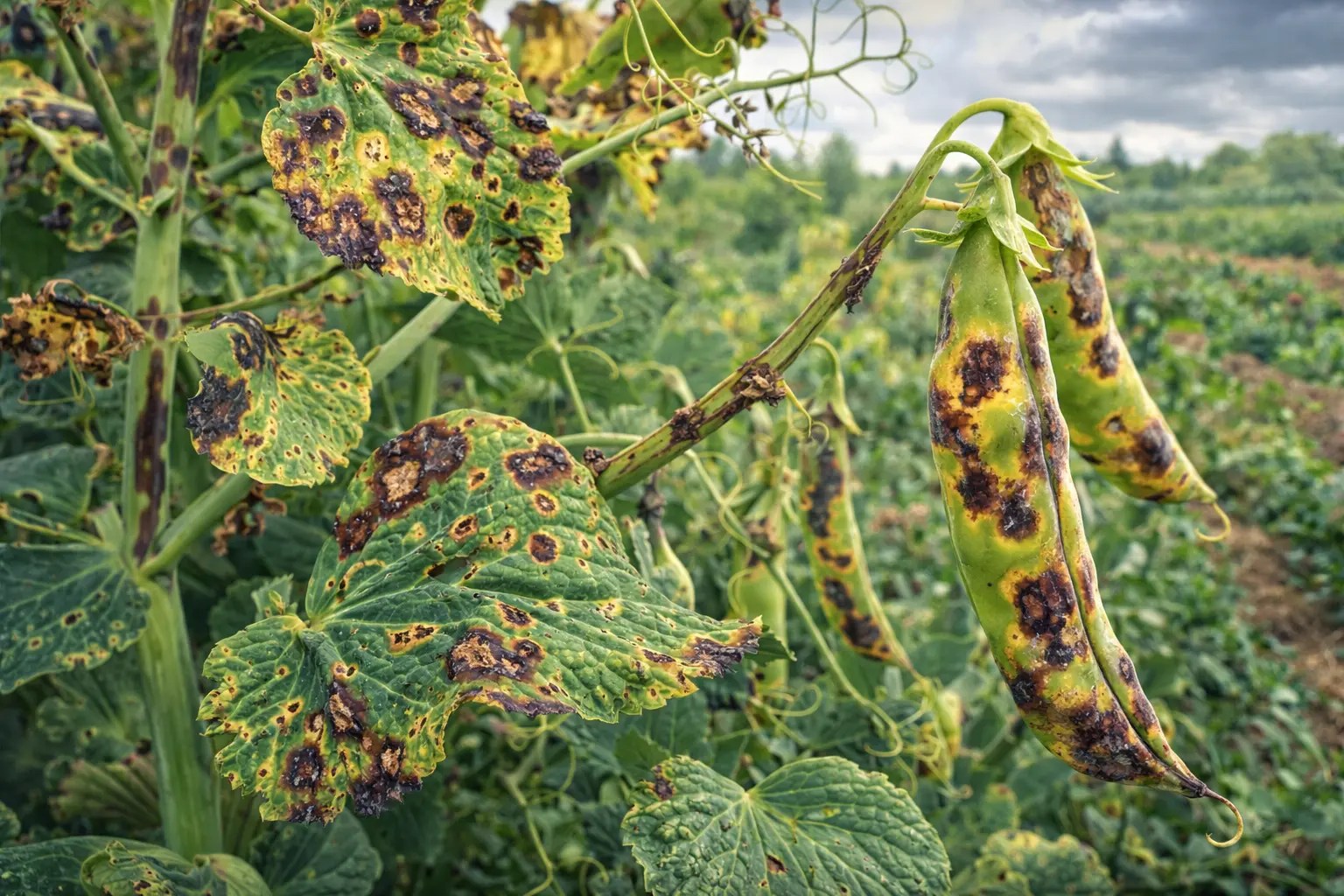
Ascochyta Blight: A Devastating Fungal Disease of Pea Plants
Introduction
Ascochyta blight is a serious fungal disease that can infect pea plants, causing significant damage to crops. It is a major concern for pea growers worldwide, as it can lead to reduced yields and poor-quality harvests. In this article, we will delve into the world of ascochyta blight, exploring its symptoms, causes, and effective management strategies.
Symptoms of Ascochyta Blight
Ascochyta blight manifests itself in various forms, depending on the specific fungus species involved. Here are the common symptoms to watch out for:
- Mycosphaerella Blight: This infection causes small purple spots on pea plant leaves, stems, and pea pods. Over time, the spots enlarge and turn black, leading to leaf drying and eventual death.
- Ascochyta Foot Rot: Similar to Mycosphaerella blight, foot rot produces spots on leaves. However, it also affects the stem and roots, causing dark purple to black spots on lower foliage, the lower stem, and the upper roots. This can cause premature plant maturity.
- Leaf and Pod Spot: This form of ascochyta blight results in distinct spots on foliage and pods. These spots are tan, sunken, and edged in black.
Causes of Ascochyta Blight
Ascochyta blight is caused by three different species of fungi: Mycosphaerella pinodes, Ascochyta pisi, and Phoma medicaginis. These fungi thrive in wet conditions and can spread through infected seeds, overwintered plant material, or splashing water droplets.
Preventing Ascochyta Blight
Prevention is crucial in managing ascochyta blight. Here are some effective strategies:
- Use Disease-Free Seeds: Start with seeds certified to be free of ascochyta blight fungi.
- Promote Air Flow: Plant pea plants with enough spacing to allow for good air circulation, reducing moisture buildup on leaves and pods.
- Ensure Proper Drainage: Choose well-drained planting sites to prevent standing water, which favors fungal growth.
- Avoid Overhead Watering: Water plants at the base to minimize splashing and the spread of fungi.
Managing Ascochyta Blight
If ascochyta blight does occur, it’s essential to take immediate action:
- Remove Infected Plants: Carefully remove and dispose of any plants showing characteristic lesions.
- Clean Up Plant Debris: Thoroughly remove and dispose of all plant debris at the end of the season to prevent overwintering fungi.
- Till the Soil: Till the soil deeply to bury any remaining fungi and prevent their spread.
- Avoid Fungicides: There are currently no registered fungicides effective against ascochyta blight of peas.
Impact of Ascochyta Blight
Ascochyta blight can have a devastating impact on pea crops. Infected plants may become stunted, produce fewer pods, and yield lower-quality peas. Severe infections can even lead to the complete loss of a crop.
Conclusion
Ascochyta blight is a formidable challenge for pea growers. However, with a comprehensive understanding of its symptoms, causes, and management strategies, growers can minimize its impact and protect their valuable pea crops. By implementing preventive measures, promptly addressing infections, and staying informed about the latest research, we can work towards safeguarding the future of pea cultivation.
