
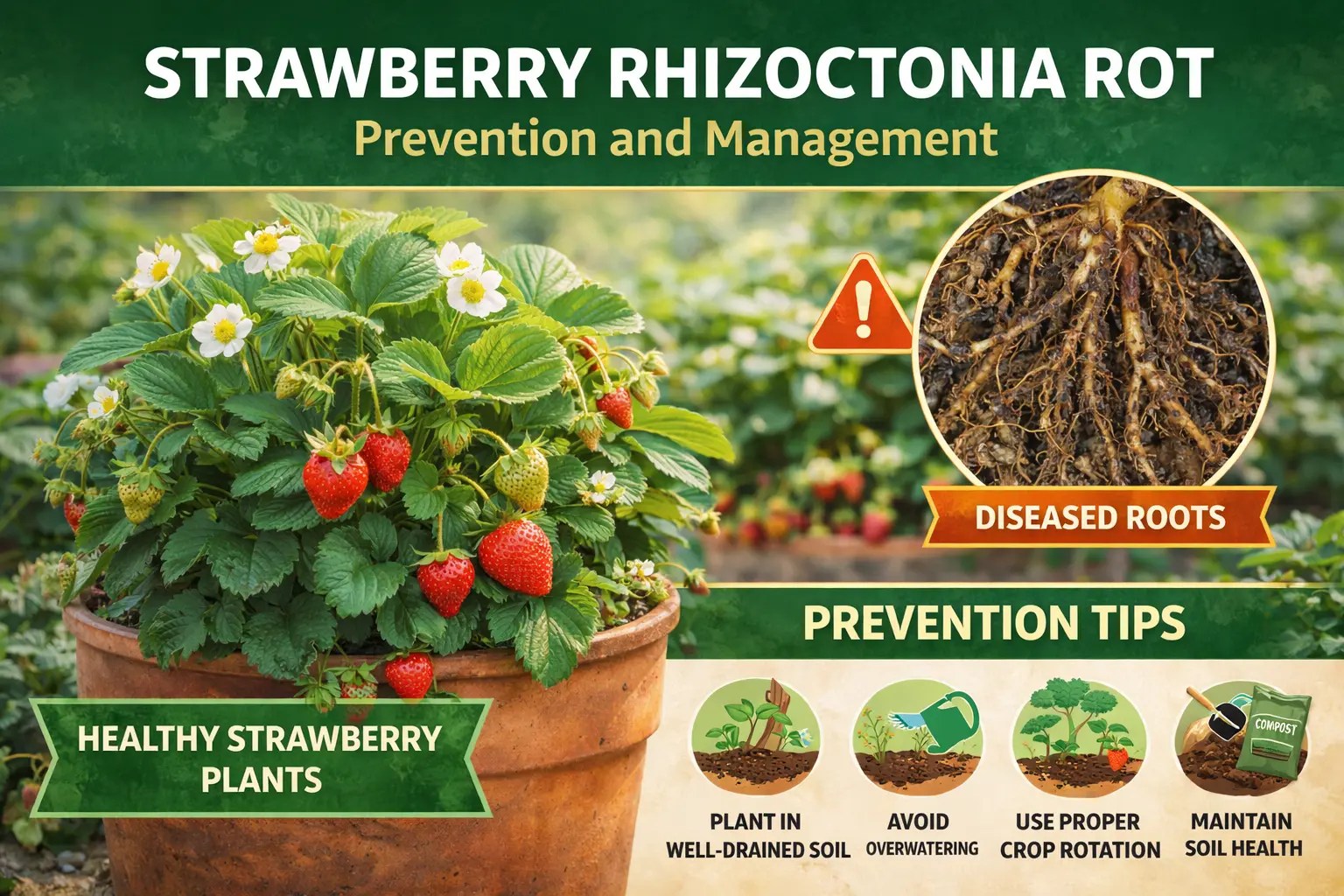
Strawberry Rhizoctonia Rot: A Guide for Prevention and Management
What is Strawberry Rhizoctonia Rot?
Strawberry rhizoctonia rot, also known as black root rot, is a serious disease that can cause significant damage to strawberry plants and reduce yields. It is caused by a complex of fungal pathogens, including rhizoctonia, pythium, and fusarium, as well as some types of nematode.
The most visible aboveground symptoms of strawberry rhizoctonia rot include:
- General lack of vigor
- Limited growth of runners
- Smaller berries
To determine if your strawberry plants have rhizoctonia rot, it is important to look below the soil at the roots. Rhizoctonia rot causes rotting, black areas on the roots. Initially, only the tips of the roots may be affected, but as the disease progresses, the black rot can spread throughout the entire root system.
Preventing Strawberry Rhizoctonia Rot
Unfortunately, there is no effective treatment for strawberry rhizoctonia rot once it has become established. Therefore, prevention is key. Here are some cultural practices you can implement to reduce the risk of rhizoctonia rot in your strawberry patch:
- Use healthy plants: When starting a new strawberry patch, use only healthy plants with white roots and no signs of rot.
- Improve soil drainage: Rhizoctonia rot thrives in moist soil. Ensure your strawberry plants have well-drained soil or consider using raised beds.
- Avoid overwatering: Overwatering can create favorable conditions for rhizoctonia rot. Water your strawberry plants only when necessary.
- Add organic matter to the soil: Soil that is low in organic matter is more susceptible to rhizoctonia rot. Amend your soil with compost before planting strawberries to improve its health and drainage.
- Maintain plant health: Strawberry plants that are stressed, nutrient-deficient, or damaged by pests are more vulnerable to rhizoctonia rot. Provide your plants with proper nutrition, water, and protection from pests and diseases.
- Control nematodes: Nematodes can contribute to the development of rhizoctonia rot. Implement nematode management practices, such as crop rotation and soil fumigation (for commercial growers only).
Identifying Rhizoctonia Rot Symptoms
Early detection is crucial for managing strawberry rhizoctonia rot. Here are some key symptoms to look for:
- Blackened roots: The most distinctive symptom is the presence of black, rotting areas on the roots.
- Reduced plant vigor: Infected plants may appear stunted and have reduced growth and runner production.
- Smaller berries: Rhizoctonia rot can affect the size and quality of strawberries.
- Yellowing or wilting leaves: In severe cases, infected plants may develop yellow or wilting leaves.
Treating Strawberry Rhizoctonia Rot
As mentioned earlier, there is no effective treatment for strawberry rhizoctonia rot once it has become established. However, by implementing the preventive measures outlined above, you can significantly reduce the risk of infection and protect your strawberry plants.
Additional Tips
- Choose resistant varieties: Some strawberry varieties are more resistant to rhizoctonia rot than others. Consider choosing resistant varieties when planting new strawberries.
- Practice crop rotation: Avoid planting strawberries in the same location year after year. Crop rotation helps to reduce the buildup of pathogens in the soil.
- Sanitize tools: Always disinfect your gardening tools before and after working with strawberry plants to prevent the spread of disease.
- Remove infected plants: If you发现 any strawberry plants with symptoms of rhizoctonia rot, remove them immediately to prevent the disease from spreading.
By following these guidelines, you can help prevent and manage strawberry rhizoctonia rot, ensuring a healthy and productive strawberry patch.
