
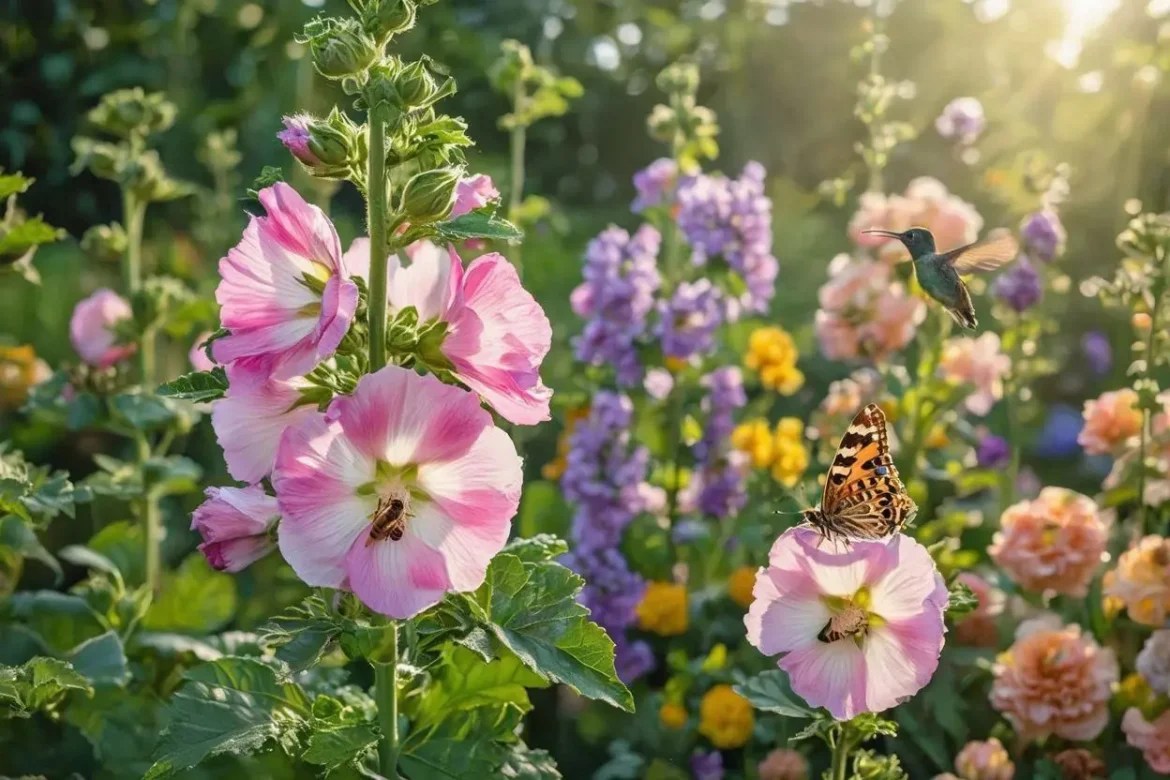
Lavatera Rose Mallow: A Versatile and Beautiful Annual
Lavatera rose mallow (Lavatera trimestris) is a stunning, shrubby plant that adds a touch of elegance to any garden. Related to both hibiscus and hollyhock, this Mediterranean native is known for its large, showy blooms and ease of care.
Plant Info
Lavatera rose mallow boasts rich, green foliage and produces 4-inch blooms in a range of colors from pale pink to deep rose. These satiny flowers resemble hibiscus and bloom profusely from midsummer until the first frost. The plant typically reaches mature heights of 3 to 6 feet, with a similar spread.
Growing Lavatera
Lavatera is an adaptable plant that thrives in most well-drained soils, including poor soil. It prefers full sunlight but can tolerate partial shade. The best way to grow this rose mallow is by planting seeds directly in the garden after the last frost in spring.
Since Lavatera has a long root system, plant it in a permanent location where it won’t need to be transplanted. Avoid planting too early, as the plant is not frost-tolerant. However, in mild climates, you can plant seeds in autumn for blooms in late winter and spring.
Once seedlings emerge, thin them out to allow 18 to 24 inches between each plant. Alternatively, you can start seeds indoors in late winter and transplant them outdoors when they have developed a few sets of true leaves.
Caring for Lavatera
Lavatera is relatively low-maintenance. It is drought-tolerant but benefits from regular watering during hot, dry periods. Avoid letting the soil become bone dry, as this can cause the plant to drop its blooms.
Fertilize Lavatera monthly during the growing season with a balanced garden fertilizer. Avoid overfeeding, as too much fertilizer can result in lush foliage at the expense of flowers.
To encourage continued blooming throughout the season, deadhead spent flowers regularly. However, leave a few blooms in late summer if you want the plant to reseed itself.
Companion Plants for Lavatera
Lavatera pairs well with other heat- and drought-tolerant plants, such as:
- Coneflowers
- Black-eyed Susans
- Salvia
- Gaillardia
- Coreopsis
Troubleshooting Common Problems
- Yellowing leaves: This can be a sign of overwatering or poor drainage.
- Stunted growth: Lavatera may not be getting enough sunlight or nutrients.
- Aphids: These small, green insects can suck the sap from Lavatera leaves.
- Powdery mildew: This fungal disease can cause white or gray spots on leaves.
Benefits and Uses of Lavatera
Lavatera rose mallow is a versatile plant with many benefits:
- Attracts pollinators: The large, showy flowers attract butterflies, hummingbirds, and bees.
- Provides privacy: Lavatera’s tall, bushy habit can create a natural screen or hedge.
- Adds color to the garden: The vibrant blooms bring a splash of color to any landscape.
- Can be used in cut flower arrangements: The long-lasting flowers are perfect for bouquets.
Conclusion
Lavatera rose mallow is an easy-to-grow and rewarding plant that adds beauty and interest to any garden. Its versatility, low-maintenance nature, and numerous benefits make it a must-have for gardeners of all levels.