
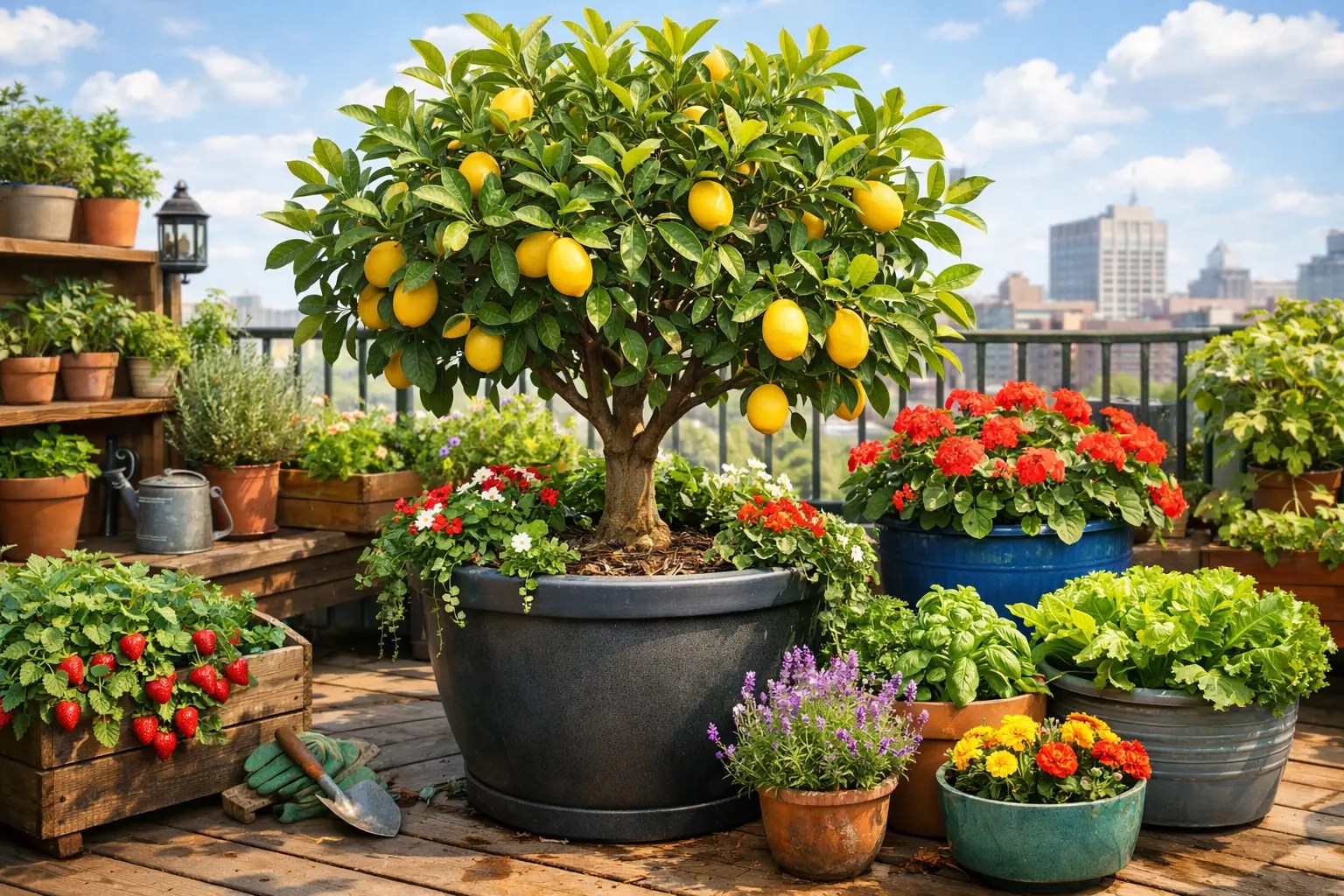
Container Gardening: A Guide to Growing Trees in Pots
Introduction
Growing trees in containers is becoming increasingly popular, especially in urban areas with limited outdoor space. With careful planning and maintenance, you can enjoy the beauty and benefits of trees even if you don’t have a large yard.
Choosing the Right Container
The first step in container gardening is choosing the right container. Containers come in a variety of shapes, sizes, and materials. Consider the following factors when making your selection:
- Size: The container should be large enough to accommodate the tree’s root system, both initially and as it grows.
- Drainage: The container should have drainage holes to prevent waterlogging, which can damage the tree’s roots.
- Weight: Choose a container that is heavy enough to provide stability, especially for larger trees.
- Material: Clay pots are heavy and stable, while plastic pots are lightweight and easy to move.
Soil for Container Trees
The soil you use for your container tree is crucial for its health. Look for a soil mix that is well-draining and aerated, while still retaining moisture. Avoid using soil directly from your garden, as it may not drain well and can harbor pests and diseases. Instead, opt for a soil-based compost or a mix of potting soil, sand, and perlite.
Tree Selection
Not all trees are suited for container gardening. When choosing a tree, consider the following factors:
- Size: Smaller trees and dwarf varieties are better suited for containers.
- Cold hardiness: Choose trees that can withstand the temperature fluctuations in your climate.
- Root system: Trees with shallow root systems are better adapted to containers.
Some good choices for container trees include:
- Evergreens: boxwood, English yew, dwarf camellias, holly, dwarf Alberta spruce
- Deciduous trees: Japanese maple, star magnolia, river birch, crepe myrtle, fruit trees
Tree Care
Container trees require more care than trees planted in the ground. Here are some tips for keeping your container tree healthy:
- Watering: Water your tree regularly, especially during hot and dry weather.
- Fertilizing: Fertilize your tree annually with a slow-release fertilizer.
- Pruning: Prune your tree as needed to maintain its size and shape.
- Pest and disease control: Monitor your tree for pests and diseases and take appropriate action if necessary.
Maintaining Tree Size
As your tree grows, it may outgrow its container. If this happens, you have a few options:
- Root pruning: This technique involves trimming the roots to restrict the tree’s growth.
- Transplanting: You can transplant your tree to a larger container or into the ground.
- Overwintering: Protect your tree from cold weather by moving it indoors or wrapping it with insulating material.
Conclusion
With proper care and maintenance, you can enjoy the beauty and benefits of trees even in limited outdoor spaces. By following the tips outlined in this guide, you can successfully grow and maintain container trees for years to come.
