
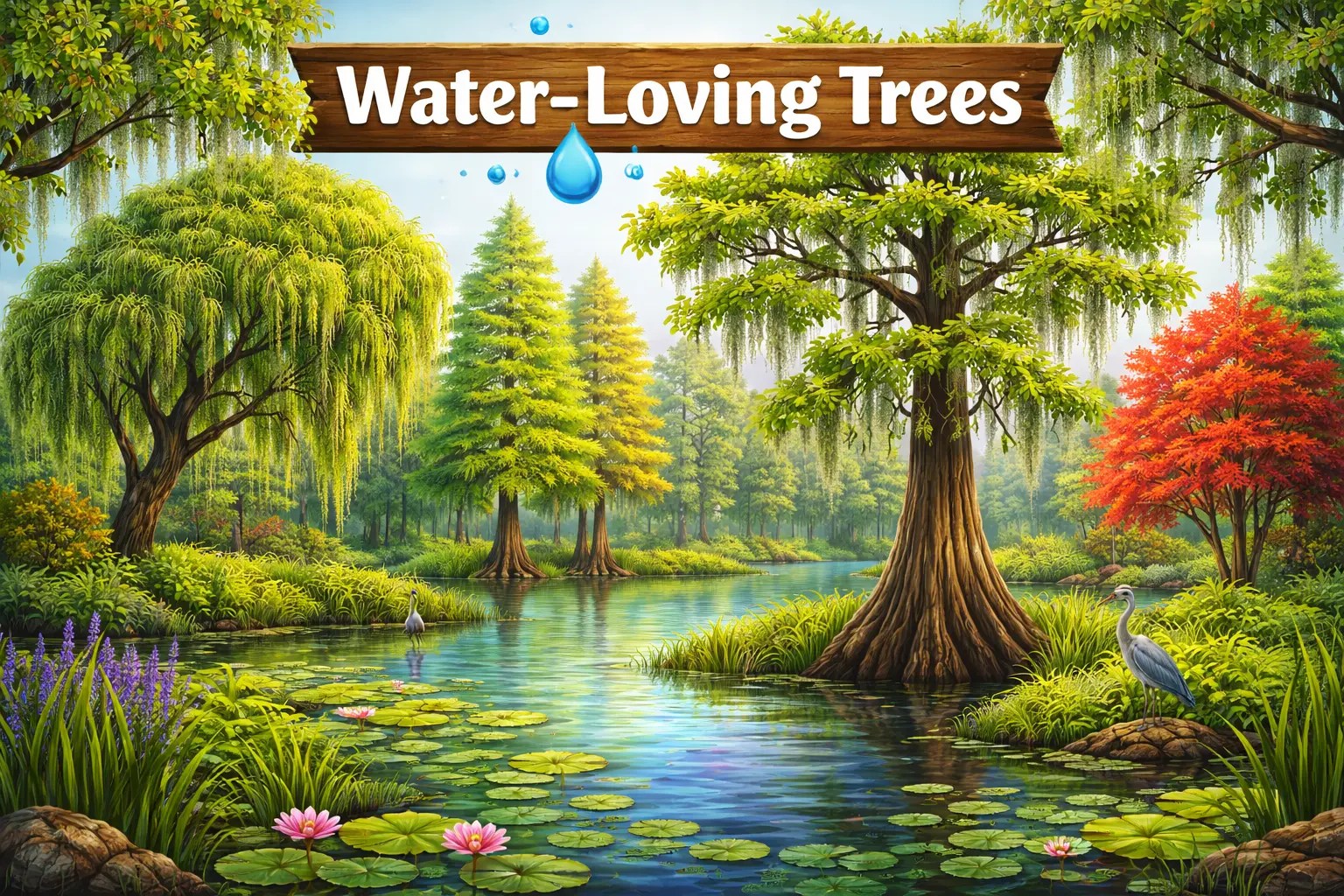
Water-Loving Trees: A Guide to Selecting and Planting Trees in Wet Areas
Introduction
When it comes to planting trees, it’s crucial to choose species that are well-suited to the specific conditions of your site. Some trees thrive in wet soil or even standing water, while others prefer well-drained environments. Understanding the different types of water-loving trees and their tolerance levels is essential for successful tree selection and planting.
Understanding Soil Moisture and Tree Tolerance
The key to selecting the right trees for wet areas lies in understanding soil moisture and tree tolerance. Soil drainage refers to how quickly water passes through the soil. Well-drained soil allows water to drain away easily, while poorly drained soil retains water and can become waterlogged. Different tree species have varying tolerances for soil moisture levels. Some trees, such as river birch, can tolerate occasional flooding, while others, such as red maple, can withstand standing water for extended periods.
Benefits of Water-Loving Trees
In addition to their ability to thrive in wet conditions, water-loving trees offer several benefits:
- Improved Drainage: Water-tolerant trees have shorter roots that can absorb excess water from the soil, allowing for improved soil filtration and drainage.
- Flood Control: Trees with extensive root systems can help absorb floodwater and reduce the risk of flooding in urban and suburban areas.
- Wildlife Habitat: Many water-loving trees provide food and shelter for various wildlife, including birds, insects, and small mammals.
Selecting Trees for Wet Areas
When selecting trees for wet areas, consider the following factors:
- Soil Moisture Level: Determine the soil moisture level in your planting area. Is it consistently wet, occasionally flooded, or well-drained?
- Flood Tolerance: Choose trees that can tolerate the expected flooding frequency and duration in your area.
- Root System: Consider the potential for damage from tree roots to pipes and other underground infrastructure.
Recommended Trees for Wet Areas
Here are some recommended trees that can tolerate wet soil and/or standing water:
- Atlantic White Cedar: Prefers moist to wet soils and can tolerate occasional flooding.
- Bald Cypress: A deciduous conifer that is highly tolerant of wet conditions, including standing water.
- Black Ash: Thrives in wet, poorly drained soils and can tolerate flooding.
- Freeman Maple: A hybrid maple that is tolerant of wet soils and can withstand occasional flooding.
- Green Ash: Prefers moist soils and can tolerate short-term flooding.
- Nuttall Oak: A large tree that can tolerate wet soils and occasional flooding.
- Pear: Some pear varieties, such as the Bradford pear, can tolerate moist soils and occasional flooding.
- Pin Oak: A popular shade tree that is tolerant of wet soils and can withstand flooding for short periods.
- Plane Tree: Prefers moist soils and can tolerate occasional flooding.
- Pond Cypress: A deciduous conifer that can tolerate standing water for extended periods.
- Pumpkin Ash: Prefers wet soils and can tolerate flooding.
- Red Maple: Tolerates standing water for months in the wild, but may not do as well in urban landscapes.
- River Birch: Prefers moist to wet soils and can tolerate occasional flooding.
- Swamp Cottonwood: Thrives in wet soils and can tolerate flooding.
- Swamp Tupelo: A deciduous tree that can tolerate standing water for extended periods.
- Sweetbay Magnolia: Prefers moist soils and can tolerate occasional flooding.
- Water Tupelo: A deciduous tree that can tolerate standing water for extended periods.
- Willow: Various willow species can tolerate wet soils and occasional flooding.
Planting and Care
When planting trees in wet areas, it’s important to:
- Amend the Soil: Improve drainage by adding organic matter, such as compost or peat moss, to the planting hole.
- Choose the Right Location: Select a planting site that is not prone to prolonged flooding or waterlogging.
- Mulch Around the Tree: Spread a layer of mulch around the base of the tree to retain moisture and suppress weeds.
- Water Regularly: Water young trees regularly, especially during dry spells. As the tree matures, it will become more tolerant of drought conditions.
By following these tips, you can successfully select and plant water-loving trees that will thrive in wet areas and provide numerous benefits to your landscape and the environment.
