
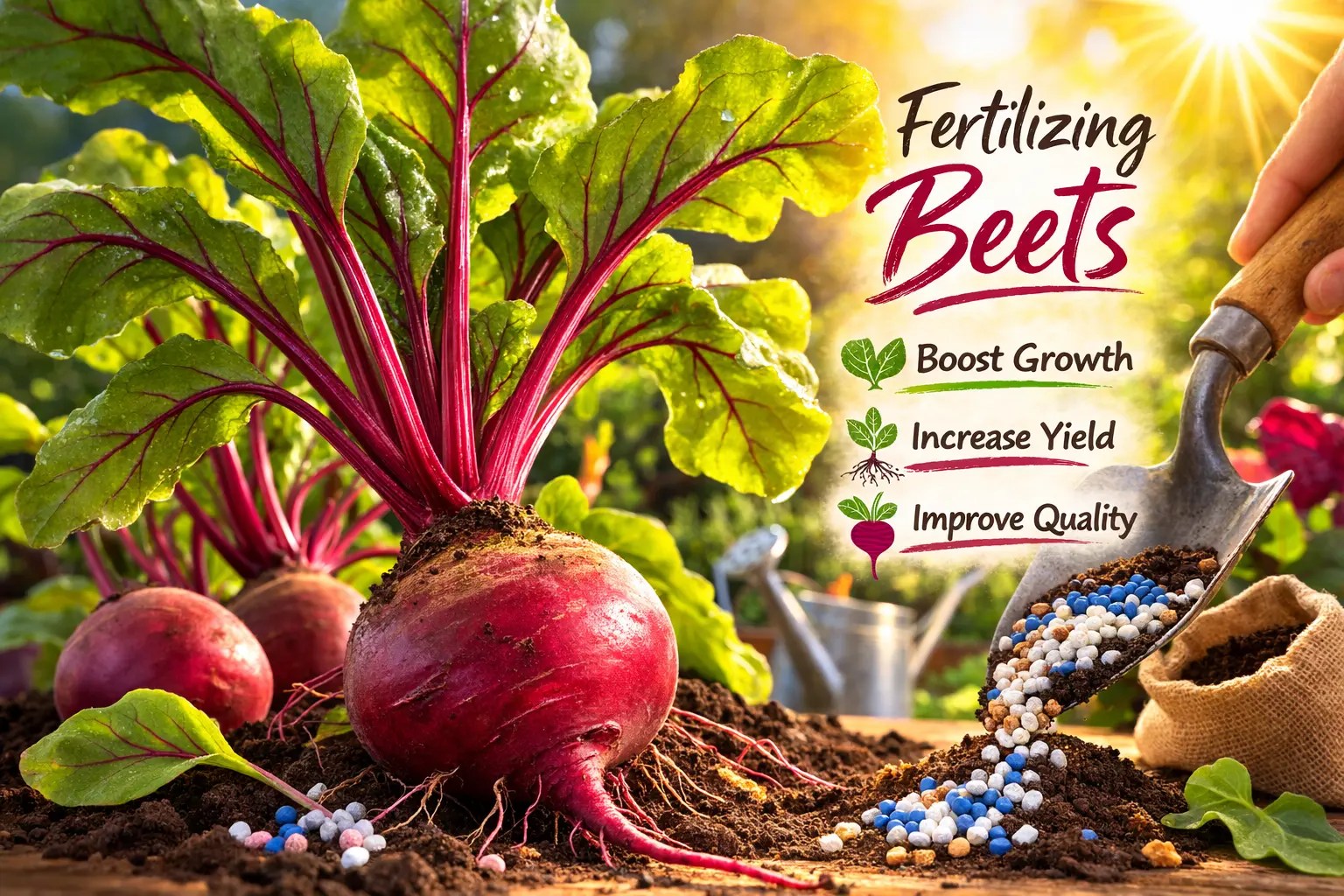
Beets: A Guide to Fertilizing for Optimal Growth
Introduction
Beets are a nutritious and delicious vegetable that is easy to grow in home gardens. However, like all plants, beets require proper fertilization to reach their full potential. This article will provide you with a comprehensive guide to fertilizing beets, including the essential nutrients they need, how to test your soil, and specific feeding instructions.
Essential Nutrients for Beets
Beets are heavy feeders and require a balanced diet of macronutrients and micronutrients. The most important macronutrients for beets are:
- Nitrogen: Promotes leaf growth and photosynthesis.
- Phosphorus: Aids in flower and root development, increasing root growth and uptake of other nutrients.
- Potassium: Enhances fruit development and disease resistance.
Soil pH
The pH level of your soil is crucial for nutrient uptake. Beets prefer a soil pH between 6.0 and 6.8. If your soil pH is too low or too high, it can affect the availability of nutrients to the plants. You can test your soil pH using a home testing kit or by sending a sample to a soil testing lab.
How to Fertilize Beets
Before Planting:
- Amend your soil with organic matter, such as compost or manure, to improve porosity and add nutrients.
- Broadcast a balanced fertilizer, such as a 10-10-10 formula, at a rate of 3 pounds per 100 square feet.
During the Growing Season:
- Side dress the plants with the same fertilizer one to three times, using 3 ounces per 100 square feet each time.
- Higher rates of fertilization may be necessary in areas with heavy rainfall.
- If your soil test indicates a potassium deficiency, use a fertilizer with a higher potassium content, such as a 10-20-10 formula.
Special Feeding Instructions
Boron is an essential micronutrient for beets. Low levels of boron can cause black sunken spots on the roots. To prevent this, apply 1/2 ounce of Borax per 100 square feet.
Tips for Optimal Growth
- Keep beet plants well-watered, especially during fertilization. This will help draw nutrients into the soil where the roots can utilize them.
- Cultivate shallowly around beet plants to prevent weeds and improve soil aeration.
- Harvest beets when they reach the desired size. Store them in a cool location for several weeks or can or pickle them for longer storage.
Conclusion
By following these guidelines, you can provide your beet plants with the nutrients they need to thrive and produce abundant, healthy roots. Remember to test your soil regularly and adjust your fertilization program as needed to ensure optimal growth and maximum yields.
