
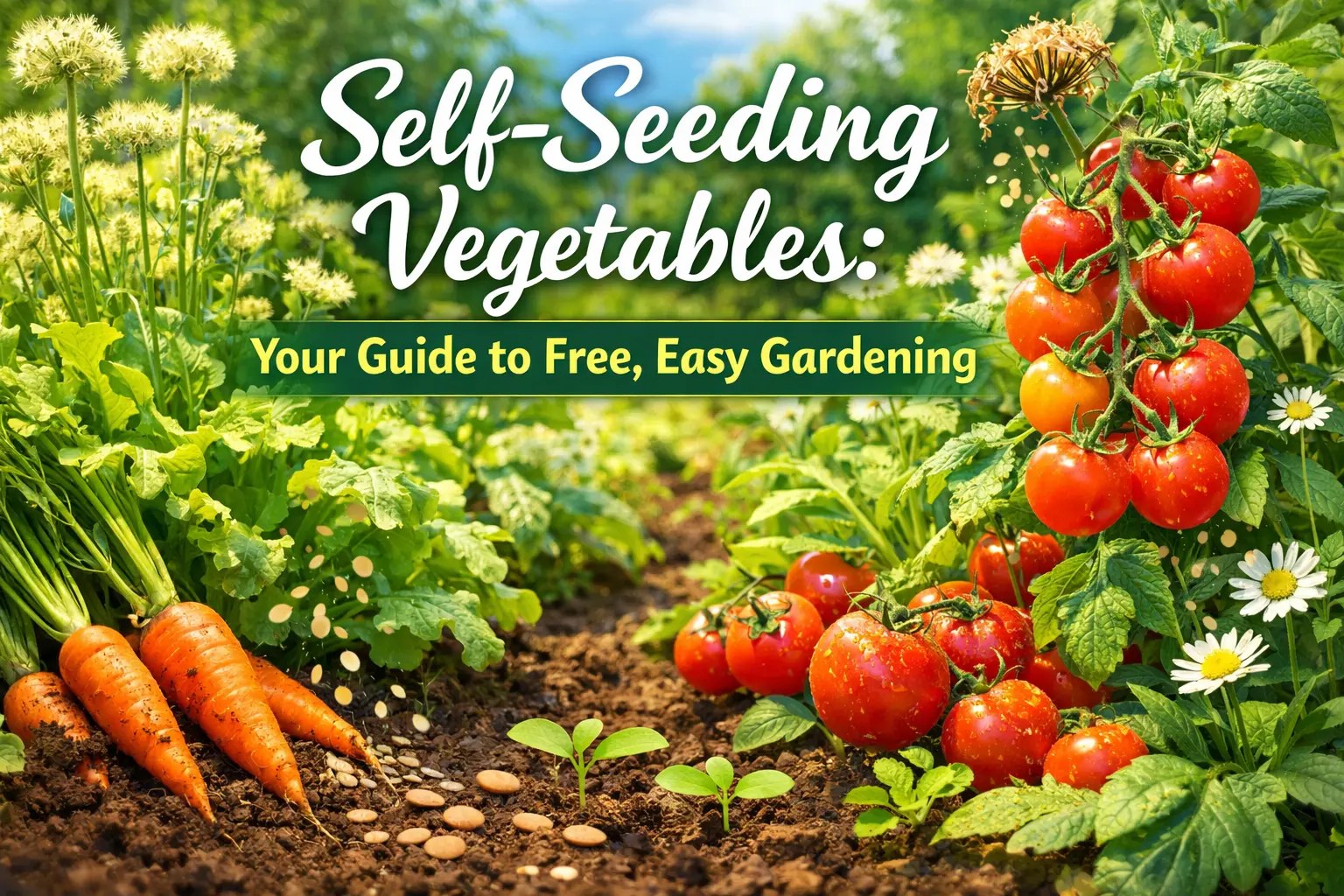
Self-Seeding Vegetables: A Gardener’s Guide to Free Produce
Introduction
Have you ever noticed how some vegetables in your garden seem to pop up year after year without any effort on your part? That’s because they’re self-seeding vegetables. Self-seeding vegetables are plants that produce seeds that can germinate and grow into new plants without your help. This can be a great way to save money on seeds and expand your garden with minimal effort.
Benefits of Self-Seeding Vegetables
There are many benefits to growing self-seeding vegetables, including:
- Reduced costs: You don’t have to buy new seeds every year.
- Increased diversity: Self-seeding vegetables can help you introduce new varieties into your garden.
- Time-saving: You don’t have to spend time starting seeds indoors or transplanting seedlings.
- Natural pest control: Some self-seeding vegetables, such as marigolds, can help repel pests.
What Vegetables Self-Seed?
Many different vegetables are self-seeders, including:
- Biennials: These vegetables complete their life cycle in two years. In the first year, they produce leaves and roots. In the second year, they produce flowers and seeds. Examples of biennial self-seeding vegetables include carrots, beets, onions, and leeks.
- Annuals: These vegetables complete their life cycle in one year. They produce seeds in the fall, and the seeds germinate and grow into new plants the following spring. Examples of annual self-seeding vegetables include lettuce, radishes, and cucumbers.
How to Save Seeds from Self-Seeding Vegetables
If you want to save seeds from your self-seeding vegetables, it’s important to let the plants go to seed. This means allowing the flowers to bloom and the seeds to ripen. Once the seeds are ripe, you can collect them and store them in a cool, dry place.
How to Plant Self-Seeding Vegetables
Planting self-seeding vegetables is easy. Simply scatter the seeds in your garden in the fall or early spring. You can also sow the seeds directly into the ground after the last frost. The seeds will germinate and grow into new plants without any further care from you.
Troubleshooting Self-Seeding Vegetables
There are a few potential problems that you may encounter when growing self-seeding vegetables.
- Cross-pollination: If you have different varieties of the same vegetable growing in your garden, they may cross-pollinate. This can result in hybrid seeds that may not produce plants that are true to type.
- Volunteer plants: Volunteer plants are self-seeded plants that pop up in unwanted areas of your garden. You can prevent volunteer plants by deadheading the flowers before they go to seed or by removing the seedlings as soon as they appear.
- Diseases and pests: Self-seeding vegetables can be susceptible to the same diseases and pests as other vegetables. It’s important to practice good garden hygiene to prevent problems.
Conclusion
Self-seeding vegetables are a great way to save money, expand your garden, and attract wildlife. With a little care, you can enjoy a bountiful harvest of fresh vegetables year after year.
