The Bleeding Heart Plant: A Guide for Beginners
Introduction
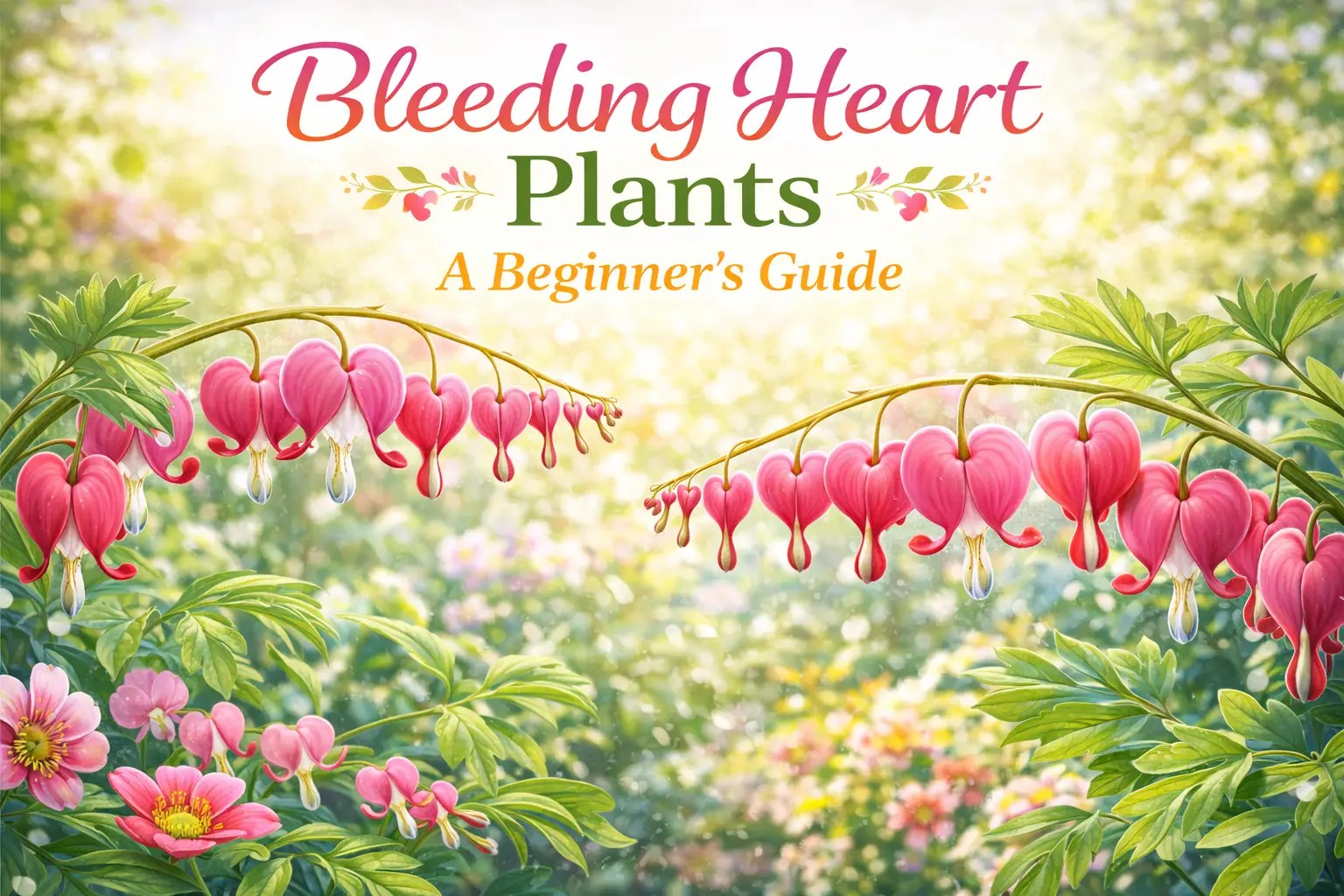
The bleeding heart plant (Lamprocapnos spectabilis) is a beautiful and easy-to-grow perennial that adds a touch of elegance to any garden. With its heart-shaped flowers and attractive foliage, it’s a favorite among gardeners of all levels.
Varieties and Features
There are several varieties of bleeding heart plants, but the most common is Lamprocapnos spectabilis. This variety produces pink and white flowers on arching stems. Other varieties include Dicentra spectabilis, which has solid white flowers, and Fumaria spectabilis, which has a more compact habit.
Growing Conditions
Bleeding heart plants prefer to grow in moist, well-draining soil that is slightly acidic or neutral. They can tolerate full sun, but they prefer partial shade, especially in hot climates. Bleeding hearts are also cool-season plants, so they grow best in spring and fall.
Planting
The best time to plant bleeding hearts is in fall or early spring. When planting, dig a hole that is twice as wide as the root ball and just as deep. Place the plant in the hole and backfill with soil, tamping down gently to remove any air pockets. Water the plant deeply after planting.
Care
Bleeding heart plants are relatively low-maintenance. They need regular watering, especially during hot and dry weather. Fertilize the plants in spring with a balanced fertilizer. Deadhead spent flowers to encourage new growth.
Pruning
Bleeding heart plants do not require much pruning. However, you can remove any dead or yellowing foliage in late spring or early summer. You can also cut back the stems to the ground in fall after the plants have gone dormant.
Propagation
Bleeding heart plants can be propagated by seed, division, or cuttings. The easiest method is division. To divide bleeding hearts, dig up the plants in fall or early spring and divide the clumps into smaller sections. Replant the divisions in new locations.
Problems and Pests
Bleeding heart plants are generally pest-free, but they can be susceptible to aphids and slugs. Aphids can be controlled with insecticidal soap or neem oil. Slugs can be controlled with slug bait or by hand-picking them off the plants.
Uses in the Garden
Bleeding heart plants are a versatile addition to any garden. They can be used as a groundcover, in borders, or as a specimen plant. They are also a good choice for containers.
Long-Tail Keywords:
- How to grow bleeding heart plants in full sun: Bleeding heart plants can tolerate full sun, but they prefer partial shade, especially in hot climates.
- The best soil for bleeding heart plants: Bleeding heart plants prefer to grow in moist, well-draining soil that is slightly acidic or neutral.
- How to propagate bleeding heart plants from seed: The easiest method to propagate bleeding heart plants is by division.
- Pruning techniques for bleeding heart plants: Bleeding heart plants do not require much pruning, but you can remove any dead or yellowing foliage in late spring or early summer.
- Common problems with bleeding heart plants: Bleeding heart plants are generally pest-free, but they can be susceptible to aphids and slugs.
- How to choose the right bleeding heart cultivar for your garden: There are several varieties of bleeding heart plants, but the most common is Lamprocapnos spectabilis.
- Bleeding heart plants as a companion plant in shade gardens: Bleeding heart plants are a good choice for companion planting in shade gardens.
- The benefits of growing bleeding heart plants in containers: Bleeding heart plants are a good choice for growing in containers.
- How to overwinter bleeding heart plants in cold climates: Bleeding heart plants are hardy to USDA zone 3, but they may need to be protected from the cold in colder climates.
- Troubleshooting bleeding heart plant problems: If your bleeding heart plants are not growing well, check the soil moisture, pH, and sunlight exposure.
