
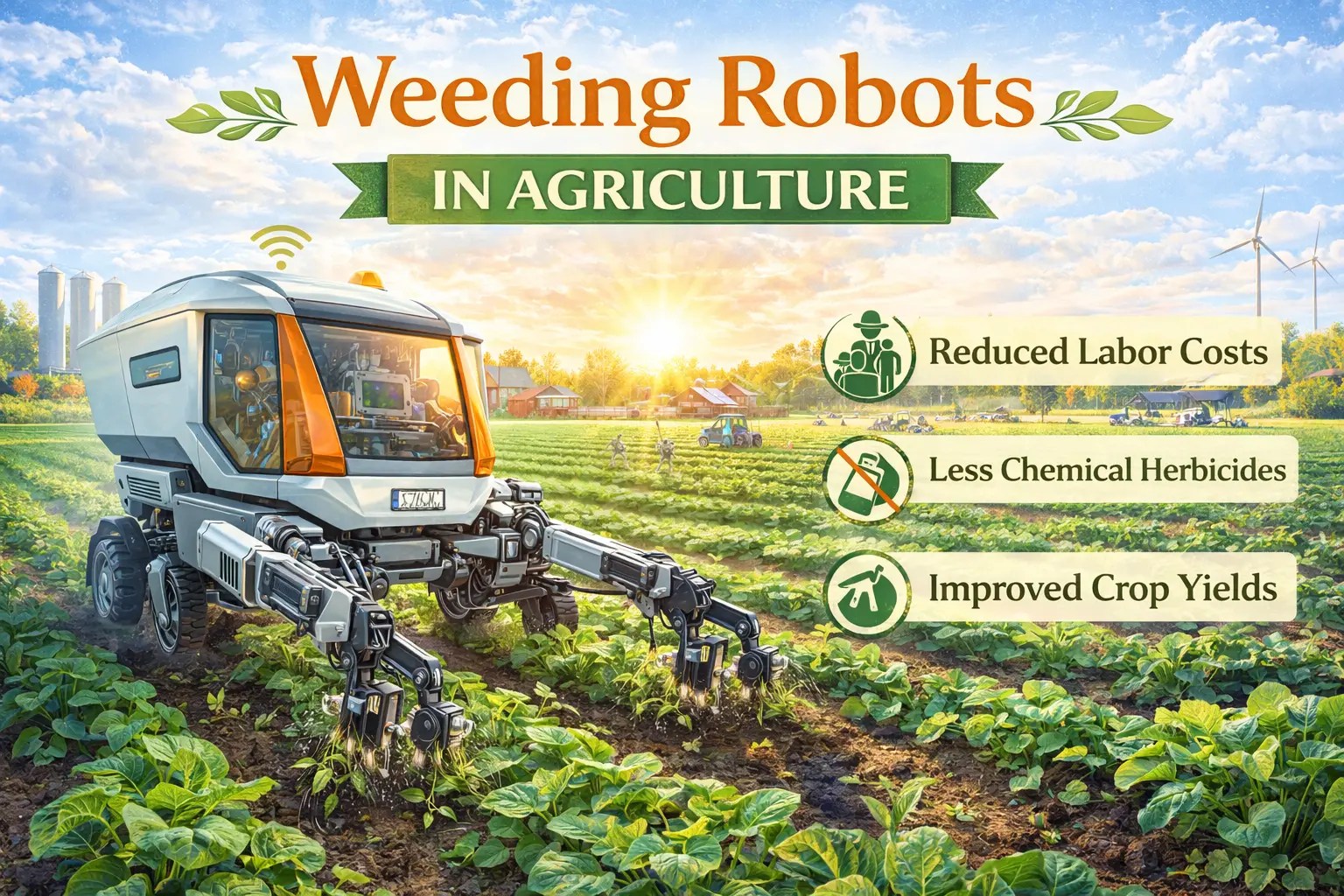
Weeding Robots: The Future of Agriculture
Introduction
As vehicles become more autonomous, it’s natural to wonder if the same technology could be applied to other tasks, such as weeding. Enter weeding robots, which are already being used on some farms to reduce labor costs and the use of harmful chemicals.
What Are Weeding Robots?
A weeding robot is a machine that uses lasers, blades, or herbicides to remove or kill weeds. It moves through fields autonomously, selectively eliminating weeds while leaving crops untouched.
Types of Weeding Robots
There are several types of weeding robots, each with its own unique approach:
- Laser weeding robots use lasers to destroy weeds, making them very efficient and fast.
- Weed-whacking robots use blades to cut down weeds, a simpler but potentially less effective method than lasers.
- Selective herbicide application robots apply herbicides directly to weeds, reducing the amount of chemicals needed and preventing harm to crops.
- Crop-specific robots are designed to work around specific crops, such as automated weeders used in vineyards.
Benefits of Weeding Robots
Weeding robots offer several benefits to farmers:
- Reduced labor costs: Labor often accounts for over 50% of a farm’s expenses. Weeding robots can significantly reduce these costs, especially on large farms.
- Reduced reliance on chemical herbicides: Herbicides can harm the environment and human health. Weeding robots provide an alternative method of weed control that minimizes the use of these chemicals.
- Improved crop yields: Weeds compete with crops for light, water, and nutrients, reducing yields. Weeding robots can help farmers maximize their harvests by eliminating weeds.
Challenges of Weeding Robots
While weeding robots offer many advantages, there are also some challenges to their widespread adoption:
- High cost: Weeding robots are expensive, with some models costing over $100,000. This makes them a viable option only for large farms.
- Technical limitations: Weeding robots are still under development and may not be able to handle all types of weeds or field conditions.
- Maintenance and repair: Weeding robots require regular maintenance and repairs, which can add to their operating costs.
Future of Weeding Robots
Despite the challenges, weeding robots are poised to become essential tools in modern agriculture. As technology advances and costs decrease, they are likely to become more accessible to farmers of all sizes.
Home Use of Weeding Robots
While weeding robots are primarily used in large-scale agriculture, there is also potential for their use in home gardens. Researchers are developing smaller, more affordable models that could make weeding a chore of the past for home gardeners.
Conclusion
Weeding robots are transforming the way we manage weeds in agriculture. By reducing labor costs, minimizing chemical herbicide use, and improving crop yields, they offer significant benefits to farmers. As technology continues to develop, weeding robots are poised to become even more affordable and accessible, making them a valuable tool for both large-scale farmers and home gardeners alike.
