
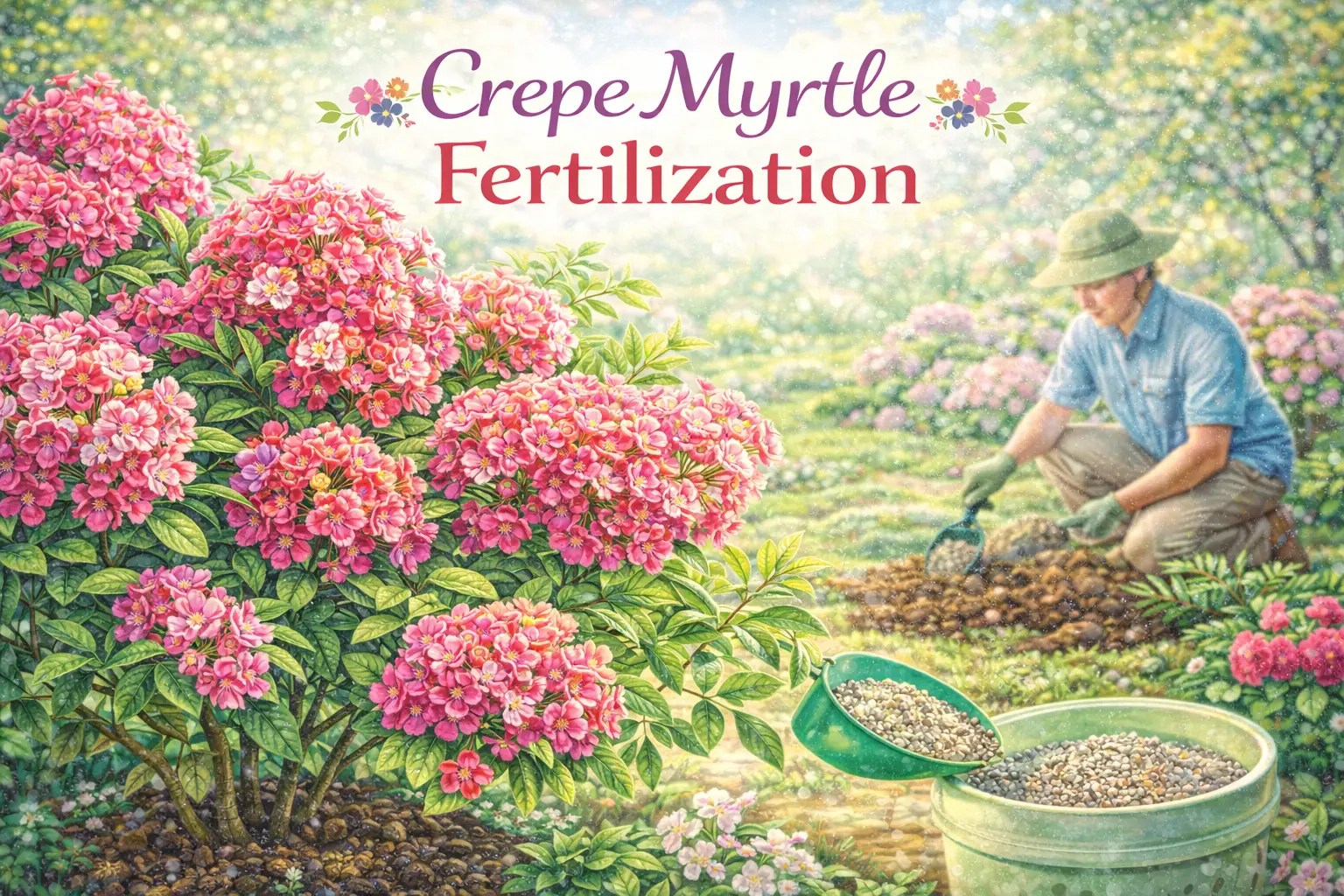
Crepe Myrtle Fertilization: A Comprehensive Guide
Introduction
Crepe myrtles are beautiful flowering shrubs or small trees that thrive in warm climates. With proper care, they offer abundant and colorful summer blossoms with few pest or disease issues. Fertilizing crepe myrtle is an essential part of its care, and this guide will provide you with all the information you need to know about how and when to fertilize these plants.
Crepe Myrtle Fertilizer Needs
The fertilizer needs of crepe myrtle depend on several factors, including the soil in which they are planted. It’s a good idea to get a soil analysis before you start fertilizing. In general, feeding crepe myrtles will make them look healthier and produce more blooms.
How to Fertilize Crepe Myrtle
When fertilizing crepe myrtle, it’s important to use a general-purpose, well-balanced garden fertilizer. Some good options include 8-8-8, 10-10-10, 12-4-8, or 16-4-8 fertilizer. A granular product works well for crepe myrtle.
Avoid overfertilizing, as too much fertilizer can cause crepe myrtles to grow more foliage and fewer flowers. It’s better to use too little fertilizer than too much.
When to Fertilize Crepe Myrtle
For young crepe myrtle plants, apply granular fertilizer around the perimeter of the planting hole at the time of planting. Use one teaspoon of fertilizer per plant for plants transferred from one-gallon containers. Repeat this monthly from spring to late summer, watering in well or applying just after a rain.
For established crepe myrtle plants, broadcast granular fertilizer in the spring before new growth begins. Some gardeners also repeat this application in the autumn. Use one pound of 8-8-8 or 10-10-10 fertilizer per 100 square feet. If using 12-4-8 or 16-4-8 fertilizer, cut that amount in half.
Additional Tips for Fertilizing Crepe Myrtle
- Consider getting a soil analysis to determine the specific nutrient needs of your soil.
- Use a slow-release fertilizer to provide nutrients over a longer period of time.
- Water crepe myrtles deeply after fertilizing to help the nutrients reach the roots.
- Avoid fertilizing crepe myrtles in the fall, as this can encourage new growth that may not have time to harden off before winter.
Benefits of Fertilizing Crepe Myrtle
Fertilizing crepe myrtle provides several benefits, including:
- Improved growth and vigor
- Increased flower production
- Enhanced resistance to pests and diseases
- Improved overall health and appearance
Conclusion
Fertilizing crepe myrtle is an important part of their care. By following the tips in this guide, you can help your crepe myrtles thrive and produce beautiful blooms for many years to come.
