
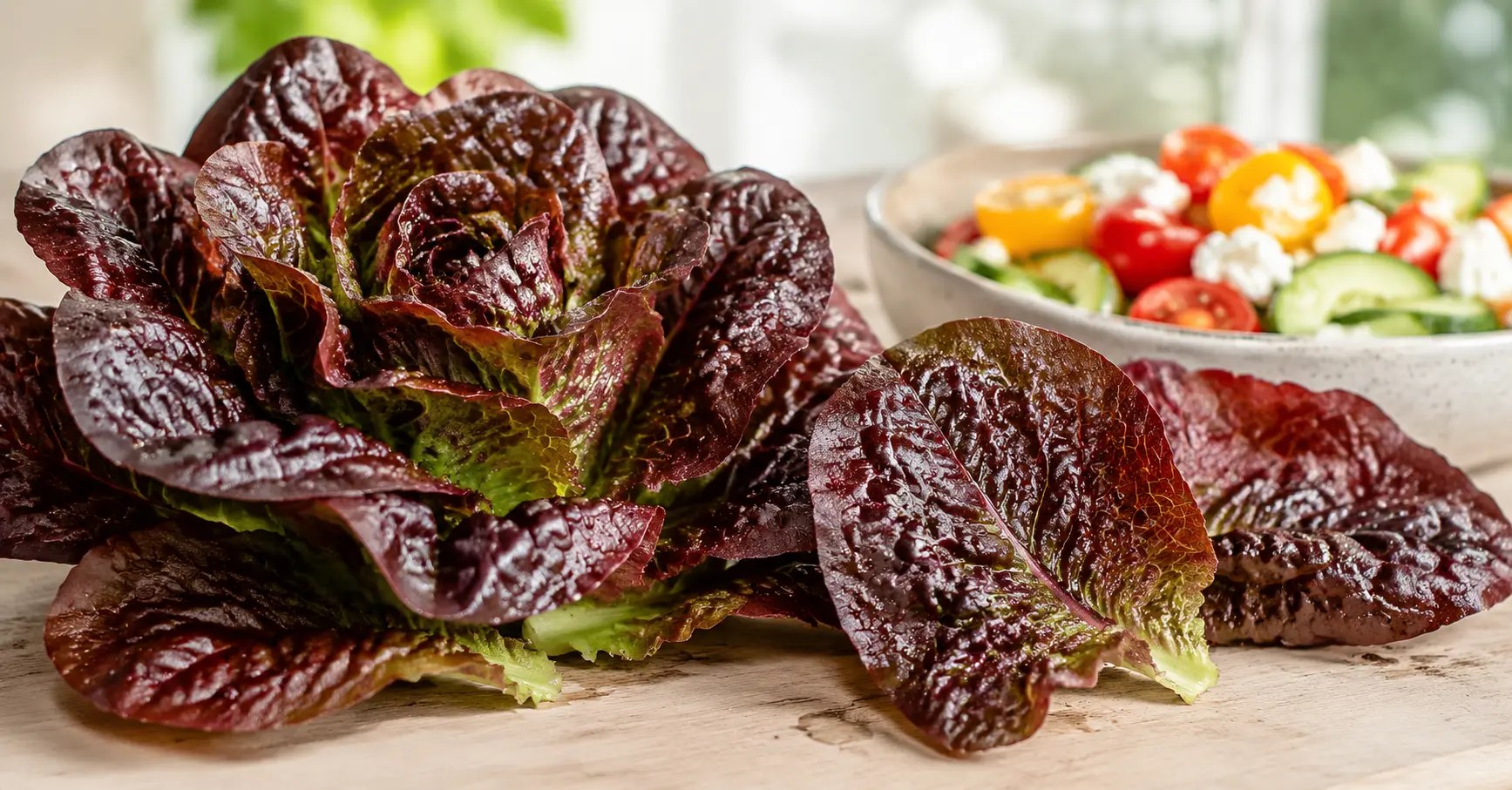
Red Leprechaun Lettuce: A Colorful and Flavorful Addition to Your Garden
Introduction
Red Leprechaun lettuce is a unique and eye-catching variety of Romaine lettuce. Its vibrant red color and slightly tangy flavor make it a favorite among gardeners and chefs alike. Despite its compact size, this heirloom plant packs a punch of flavor and nutrients.
History and Origin
Romaine lettuce originated on the Greek island of Cos and has been cultivated for centuries. The specific history of Red Leprechaun lettuce is less clear, but food historians believe it has been in cultivation since the 18th century. Its bold flavor and ability to enhance salads have made it a popular choice among foodies.
Growing Red Leprechaun Lettuce
Growing Red Leprechaun lettuce is a relatively straightforward process that can be enjoyed by gardeners of all levels.
Soil and Sunlight:
Red Leprechaun lettuce thrives in rich, well-drained soil. Full sunlight produces the best flavor and brightest color. However, in hot climates, afternoon shade can be beneficial.
Planting:
Plant seeds directly in the garden in early spring, or start them indoors 5-6 weeks before the last frost and transplant them outdoors when the danger of frost has passed. Cover the tiny seeds with a scant 1/8 to 1/4 inch of soil.
Spacing:
Thin the lettuce seedlings to allow 10-12 inches between each plant. This will provide ample space for growth and prevent overcrowding.
Watering:
Red Leprechaun lettuce needs regular watering, but it’s important to avoid soggy soil. Allow the soil to dry out slightly between waterings.
Harvesting:
Red Leprechaun lettuce is ready for harvest when the leaves measure only 7-8 inches. This is considerably smaller than most other types of Romaine or Cos lettuce.
Culinary Uses
Red Leprechaun lettuce adds a vibrant pop of color and a tangy flavor to salads. It can also be used as a garnish or in sandwiches and wraps. Its compact size makes it a versatile ingredient for various culinary creations.
Health Benefits
Like other leafy greens, Red Leprechaun lettuce is a good source of vitamins and minerals. It is particularly rich in vitamin K, which is essential for blood clotting and bone health.
Troubleshooting Common Problems
- Bolting: Romaine lettuces are slower to bolt than other types of lettuce, but extreme heat or drought can trigger premature bolting.
- Aphids: Aphids are small, soft-bodied insects that can infest lettuce plants. Use insecticidal soap or neem oil to control them.
- Slugs and Snails: These pests can damage lettuce leaves. Use slug bait or beer traps to keep them away.
Conclusion
Red Leprechaun lettuce is a unique and flavorful variety that is easy to grow and adds a touch of color and zest to any garden or salad. Its compact size and versatility make it a popular choice among gardeners and chefs alike. With a little care and attention, you can enjoy the vibrant beauty and delectable taste of this heirloom lettuce in your own backyard.
