
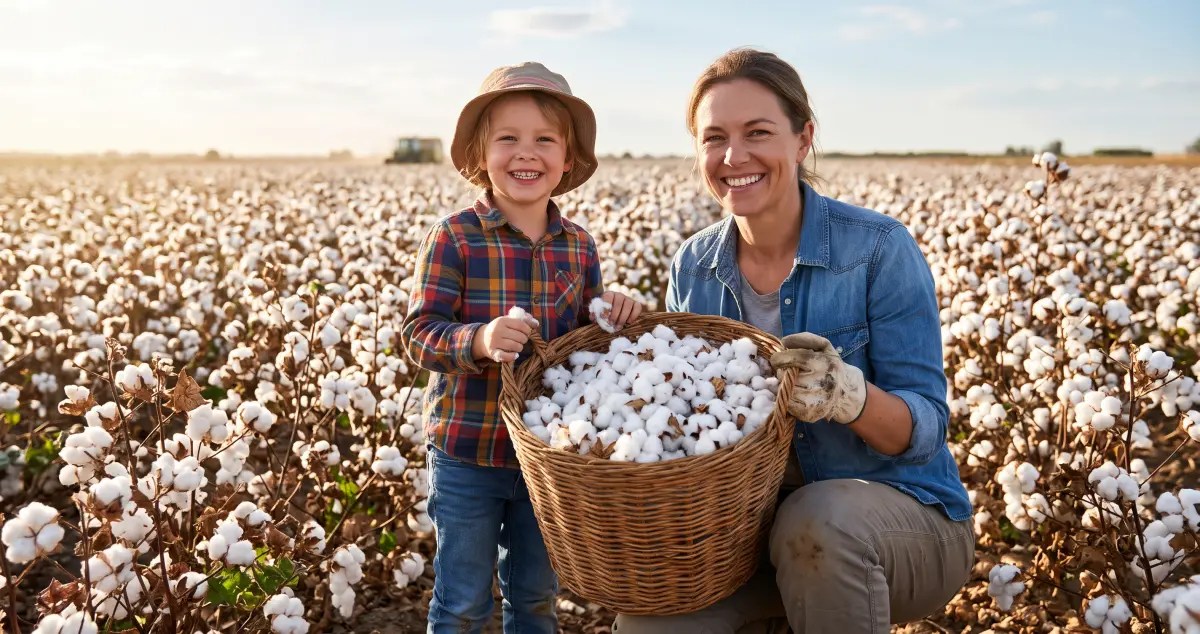
Cotton: A Fun and Educational Plant to Grow with Kids
Introduction
Cotton is a plant that has been grown for centuries for its soft, fluffy fibers. Growing cotton with kids can be a fun and educational experience. Not only will they learn about the life cycle of a plant, but they will also get to see the fruits of their labor when they harvest the cotton bolls.
Cotton Plant Info
Cotton plants are native to warm climates. They cannot tolerate temperatures cooler than 60 degrees Fahrenheit. If you live in a cooler climate, it is best to start the plants indoors and then transplant them outdoors once the weather has warmed up.
Cotton plants are self-pollinating, which means that you do not need to have multiple plants in order to get fruit. However, planting multiple plants will increase your chances of a successful harvest.
Planting Cotton Outdoors
Once the threat of frost has passed, you can plant cotton seeds outdoors. Check the soil temperature with a soil thermometer to ensure that it is at least 60 degrees Fahrenheit six inches down.
To plant cotton seeds, first work the soil and add an inch or two of compost. Then, use a garden hoe to create a furrow. Moisten the soil and plant the cotton seeds in groups of three, one inch deep and four inches apart. Cover the seeds with soil and firm it down.
Growing Cotton Plants Indoors
If you live in a cooler climate, you can also grow cotton plants indoors. To do this, you will need to start the seeds indoors six to eight weeks before the last frost.
To start cotton seeds indoors, fill a pot with a mixture of potting soil and compost. Moisten the soil and place the cotton seeds on top of the soil. Cover the seeds with another inch of soil and place the pot in a warm, sunny location.
Cotton Plant Care
Cotton plants need to be watered regularly, especially during the summer months. They also need to be fertilized every few weeks with a balanced fertilizer.
Cotton plants will begin to produce flowers in the summer. The flowers will be white or cream-colored and will have a sweet fragrance. Once the flowers have been pollinated, they will turn pink and begin to produce cotton bolls.
Harvesting Cotton
Cotton bolls are ready to be harvested when they crack open and the cotton inside is fluffy and white. To harvest cotton, simply pick the bolls off of the plant.
Once you have harvested the cotton, you can dry it in the sun or in a warm, dry place. Once the cotton is dry, you can remove the seeds and use the cotton for spinning, weaving, or other crafts.
Long-Tail Keyword-Focused Content
- How to avoid boll weevil infestation when growing cotton: Boll weevils are a type of insect that can damage cotton plants. To avoid boll weevil infestation, you should plant cotton varieties that are resistant to the insect. You should also keep your cotton plants clean and free of weeds, as these can attract boll weevils.
- Exploring cotton processing for clothing production: Once you have harvested your cotton, you can explore how it is processed to make clothing. You can visit a cotton gin to see how the cotton fibers are separated from the seeds. You can also visit a textile mill to see how the cotton fibers are spun into yarn and woven into fabric.
Conclusion
Growing cotton with kids is a fun and educational experience that can teach them about the life cycle of a plant and the importance of agriculture. By following the tips in this article, you can grow healthy and productive cotton plants that will provide you with a bountiful harvest.
