
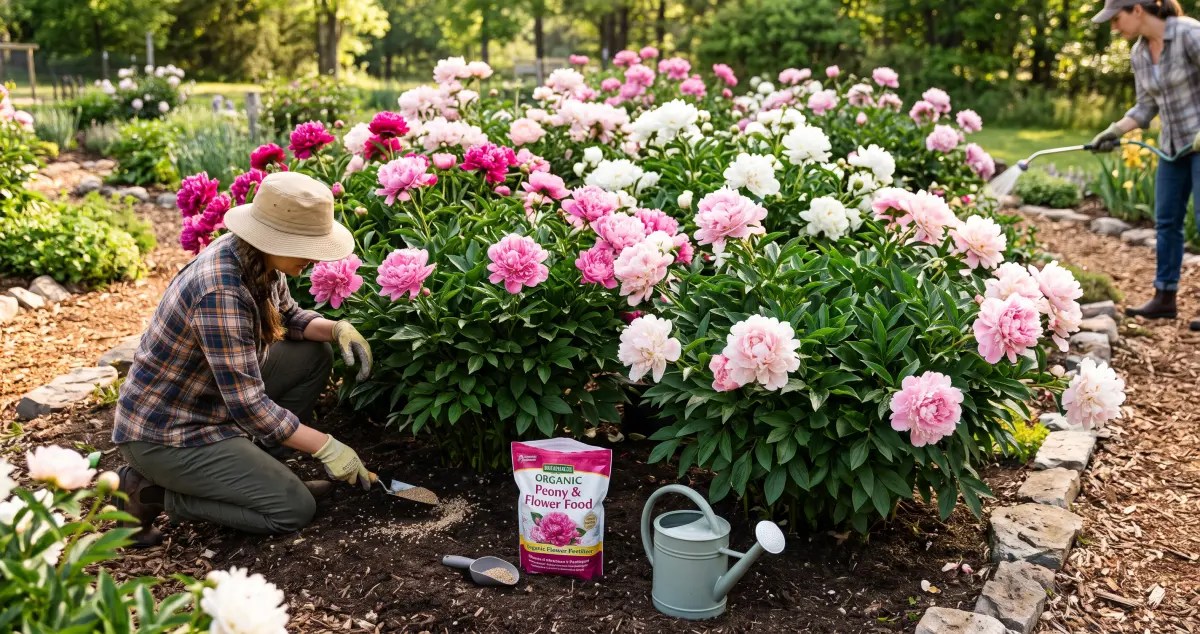
Peonies: A Guide to Fertilizing for Optimal Growth and Blooms
Peonies are stunning flowers that add beauty and elegance to any garden. While they are relatively low-maintenance plants, proper fertilization is essential for ensuring healthy growth and abundant blooms. This comprehensive guide will provide you with all the information you need to know about fertilizing peonies, from when to fertilize to what type of fertilizer to use.
When to Fertilize Peonies
Well-established peonies do not require frequent fertilization. For new plants, start by amending the soil with rich compost. Fertilize in spring and fall for the first few years to encourage strong root development and growth. Once established, peonies typically only need fertilizer every three years or so, or even less frequently.
Signs that your peonies may need fertilizer:
- Weak or stunted growth
- Yellowing or pale foliage
- Reduced flowering or lack of buds
The Best Fertilizer for Peonies
While there is no specific “peony fertilizer,” bulb and perennial fertilizers work well. Choose a balanced fertilizer with equal amounts of nitrogen, phosphorus, and potassium (such as 10-10-10 or 12-12-12). Avoid fertilizers with high nitrogen content, as this can promote leafy growth at the expense of flowers.
How to Fertilize Peonies
The best way to fertilize peonies is to apply it directly to the soil in a ring around the base of the plant. Keep the ring close to the drip line (the area beneath the outermost leaves) and about 6 to 12 inches away from the crown (the point where the stems meet the roots). Avoid getting fertilizer on the crown or young growth, as this can cause burning.
Once you have spread the fertilizer around your peonies, water the soil well to help it soak in and reach the roots.
Tips for Fertilizing Peonies
- Use a slow-release fertilizer. This will provide nutrients to your peonies over a longer period of time, reducing the risk of fertilizer burn.
- Avoid over-fertilizing. Too much fertilizer can damage your plants and inhibit growth.
- Test your soil before fertilizing. This will help you determine if your soil is deficient in any nutrients and what type of fertilizer you need.
- Fertilize in the spring and fall. This is when peonies are actively growing and will benefit most from fertilizer.
Troubleshooting Peony Fertilization Problems
If you are having trouble with your peonies, consider the following:
- Lack of blooms: This could be a sign of insufficient fertilizer, particularly phosphorus. Use a fertilizer with a higher phosphorus content (such as 10-20-10).
- Yellowing or pale foliage: This could indicate a nitrogen deficiency. Use a fertilizer with a higher nitrogen content (such as 10-10-5).
- Stunted growth: This could be a sign of a nutrient deficiency, such as potassium. Use a balanced fertilizer with equal amounts of nitrogen, phosphorus, and potassium (such as 10-10-10).
If you have tried adjusting your fertilization practices and are still having problems, consider doing a soil test. This will help you determine if there are any underlying soil issues that need to be addressed.
