
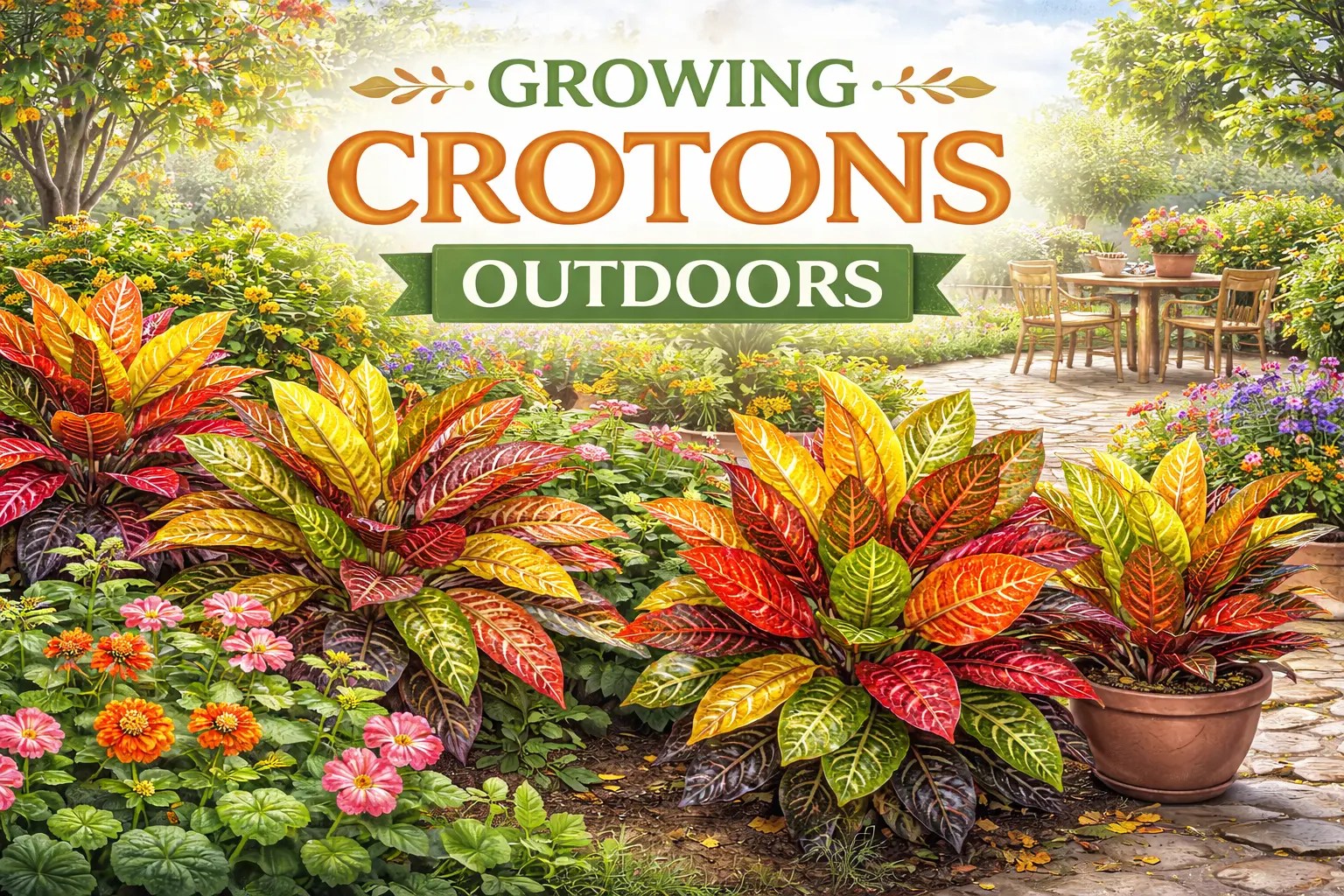
Growing Crotons: A Guide for Beginners
Introduction
Crotons are beautiful tropical plants known for their vibrant and colorful foliage. They can add a splash of color to any garden, but they can be a bit tricky to grow outdoors, especially in colder climates. This guide will provide you with all the information you need to successfully grow crotons outdoors, even if you live in a zone that experiences frost.
Hardiness Zones and Temperature Requirements
Crotons are native to tropical regions and are not frost tolerant. They are hardy to USDA zones 9 to 11, which means they can survive in areas where temperatures do not drop below 20°F (-6°C). If you live in a colder climate, you can still grow crotons outdoors, but you will need to take extra precautions to protect them from the cold.
Choosing a Location
When choosing a location to plant your croton, keep in mind that they prefer bright but indirect light. Avoid planting them in areas that receive direct sunlight for most of the day, as this can scorch the leaves. Also, avoid planting them in areas that are exposed to cold northern winds.
Soil and Planting
Crotons prefer well-draining potting soil. You can use a commercial potting mix or make your own by mixing equal parts peat moss, perlite, and compost. When planting your croton, dig a hole that is twice the width of the root ball and just as deep. Place the croton in the hole and fill it with soil, tamping down gently to remove any air pockets. Water the croton deeply after planting.
Watering and Fertilizing
Crotons need to be watered regularly, especially during the hot summer months. Allow the top inch of soil to dry out between waterings. Crotons also benefit from regular fertilization. Fertilize them monthly with a balanced liquid fertilizer.
Mulching and Winter Protection
Mulching around your crotons will help to retain moisture, suppress weeds, and protect the roots from cold temperatures. Use a 2-inch layer of organic mulch, such as shredded bark or compost.
In colder climates, you will need to take extra precautions to protect your crotons from the cold. You can cover them with a burlap sack or old blanket when temperatures are expected to drop below freezing. You can also move them indoors to a warm location.
Pests and Diseases
Crotons are relatively pest-free and disease-resistant, but they can be susceptible to mealybugs, spider mites, and aphids. If you notice any pests on your croton, treat them immediately with an insecticidal soap or neem oil.
Transplanting
Crotons do not like to be transplanted, so it is best to avoid doing so if possible. However, if you need to transplant your croton, do so in the spring or fall when the weather is mild. Water the croton deeply before transplanting and dig up the root ball carefully. Replant the croton in a new location that meets its needs and water it deeply again.
Common Problems
- Yellowing leaves: This can be a sign of overwatering, underwatering, or nutrient deficiency.
- Brown leaf tips: This can be a sign of underwatering or low humidity.
- Wilting: This can be a sign of overwatering, underwatering, or root rot.
- Pests: Crotons can be susceptible to mealybugs, spider mites, and aphids.
Tips for Growing Crotons Outdoors in Cold Climates
- Choose a variety that is cold-hardy to your zone.
- Plant your croton in a protected location, such as near a south-facing wall or under a tree.
- Mulch around your croton to help retain moisture and protect the roots from cold temperatures.
- Cover your croton with a burlap sack or old blanket when temperatures are expected to drop below freezing.
- Move your croton indoors to a warm location if temperatures are expected to drop below 20°F (-6°C).
