
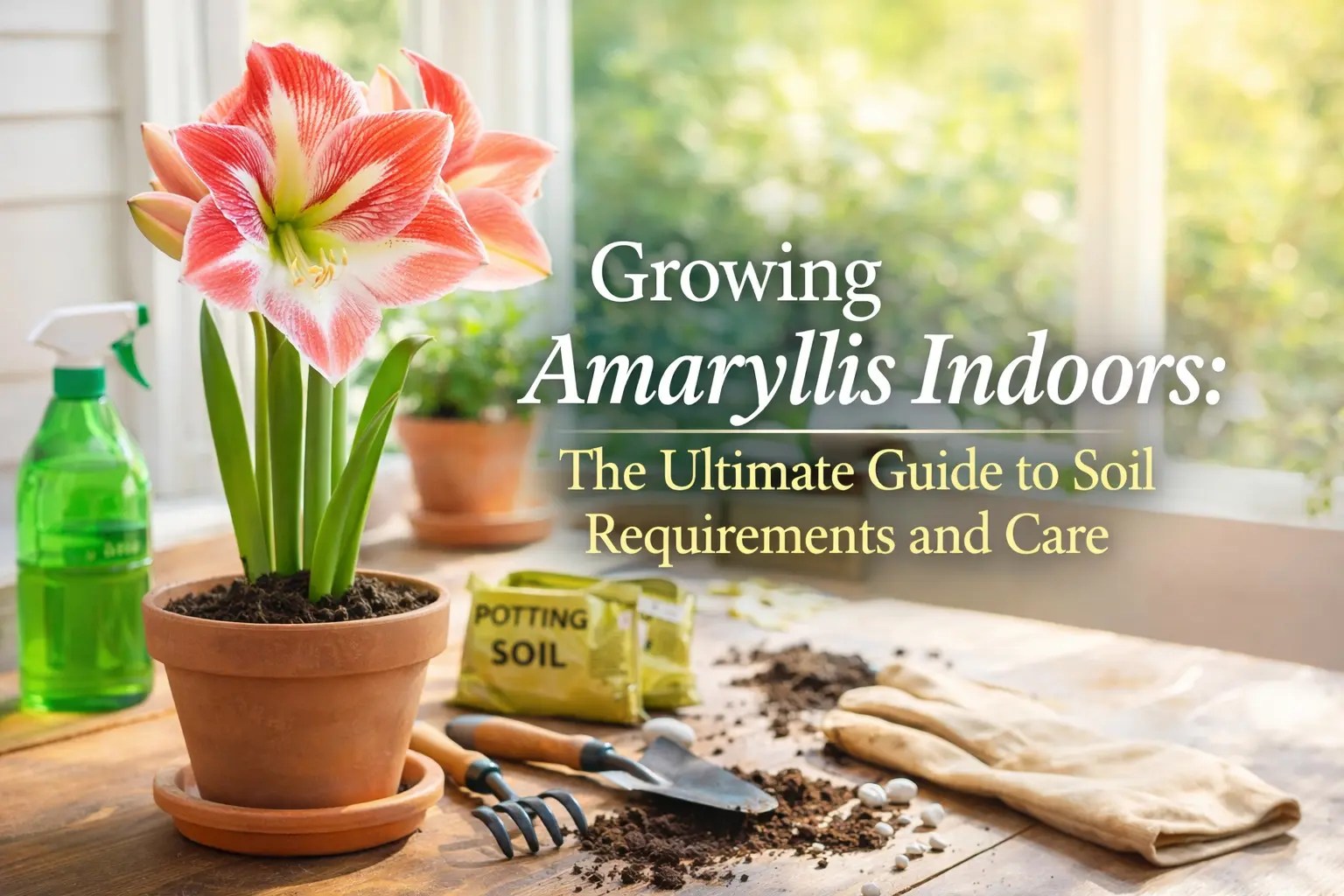
Amaryllis: Growing Guide for Beautiful Winter Blooms
Introduction
Amaryllis is a stunning flower that brings a splash of color to the dark winter months. Since it blooms indoors during winter or early spring, you have more control over its growing conditions, especially the soil. This article will guide you through the essential soil requirements for amaryllis plants and provide tips for choosing the best potting mix.
Soil Requirements for Amaryllis
Amaryllis bulbs thrive in well-draining soil that is slightly crowded. The pot should have only 2 inches (5 cm) of space between the sides and the edges of the bulb. Amaryllis bulbs dislike sitting in damp soil, as excessive moisture can lead to waterlogging and root rot.
The ideal soil for amaryllis plants should meet the following criteria:
- High in organic matter
- Well-draining
- Gritty material to allow for drainage
Recommended Potting Mixes
There are several potting mix options that are suitable for amaryllis plants. Two highly recommended mixes are:
Mix 1:
- 2 parts loam
- 1 part perlite
- 1 part rotted manure
This mix provides a good balance of organic matter and drainage.
Mix 2:
- 1 part loam
- 1 part sand
- 1 part compost
Whatever mix you choose, ensure that the organic material is well-rotted and broken up by enough gritty material (such as perlite or sand) to facilitate water drainage.
Planting Tips
When planting your amaryllis bulb, leave the top third to half of the bulb (the pointy end) above the potting mix. Amaryllis bulbs do not require a lot of potting mix, so if you have extra, store it in a sealed container for future use.
Watering and Care
Amaryllis plants prefer slightly dry soil. Water them only when the soil feels dry to the touch. Overwatering can lead to root rot. Fertilize your amaryllis plant monthly during the growing season with a balanced liquid fertilizer.
Repotting
Amaryllis plants may need to be repotted every few years as they grow larger. Repot in the spring after the plant has finished blooming. Use a pot that is only slightly larger than the previous one.
Troubleshooting
Yellowing leaves: This can be a sign of overwatering or poor drainage. Allow the soil to dry out completely before watering again.
Drooping leaves: This can be caused by underwatering. Water the plant deeply and allow the excess water to drain away.
No blooms: This can be due to insufficient light, lack of fertilizer, or improper soil conditions. Ensure the plant is receiving plenty of bright, indirect light and fertilizing it regularly. Check the soil to make sure it is well-draining and meets the requirements outlined above.
Conclusion
Growing amaryllis indoors is a rewarding experience that can brighten up the winter months. By providing the right soil conditions and care, you can enjoy the beautiful blooms of this stunning flower year after year.
